Agency labels can sound interchangeable during a pitch. They are not. A programmatic agency and a media buying agency may both plan campaigns, negotiate inventory and report performance, but they usually differ in the systems they operate, the channels they cover and the depth of control they provide.
That distinction matters when a brief requires more than buying impressions. A brand may need enterprise DSP access, first-party audience activation, private marketplace deals, creative versioning, frequency control and measurement across several digital environments. Another brand may need one partner to coordinate television, radio, print, out-of-home and digital placements under a single media plan.
The right choice depends on the job, not the label.
Quick answer: A programmatic agency specializes in automated digital media buying through demand-side platforms, with deeper responsibility for audience strategy, bidding, inventory quality, data activation and measurement. A media buying agency usually plans and purchases a broader mix of channels, which may include programmatic but also direct digital, television, radio, print and out-of-home. Choose based on channel scope, platform access, technical depth and the control your team needs.
Programmatic agency vs media buying agency at a glance
Dimension | Programmatic agency | Media buying agency |
|---|---|---|
Primary scope | Automated digital media buying | Broader paid-media planning and placement |
Typical channels | Display, video, CTV, audio, native, in-app, DOOH | TV, radio, print, OOH, direct digital, search, social and programmatic |
Core systems | DSPs, ad servers, verification, analytics and clean rooms | Planning tools, rate databases, buying systems, publisher and broadcaster relationships |
Buying routes | Open auction, PMP, programmatic guaranteed and direct deals through DSPs | Direct negotiations, insertion orders, platform buys and programmatic partners |
Optimization | Frequent bid, audience, supply, budget and creative changes | Cross-channel allocation, placement, scheduling and future negotiations |
Best fit | DSP access, data activation and technical execution | Integrated planning across a wide media mix |
The categories overlap. Some media buying agencies have strong in-house trading desks. Some programmatic agencies also plan connected TV, audio and digital out-of-home. The practical question is not what the agency calls itself. It is which capabilities it owns, which systems it can access and what evidence it can show.
What is a programmatic agency?
A programmatic agency plans, buys and optimizes digital advertising through software platforms called demand-side platforms, or DSPs. If your team needs a refresher on the ecosystem, our programmatic advertising guide explains how DSPs, exchanges, supply-side platforms and data providers work together.
The agency's job normally goes beyond pressing launch. It may include:
• Translating business goals into audience, channel and bidding strategies
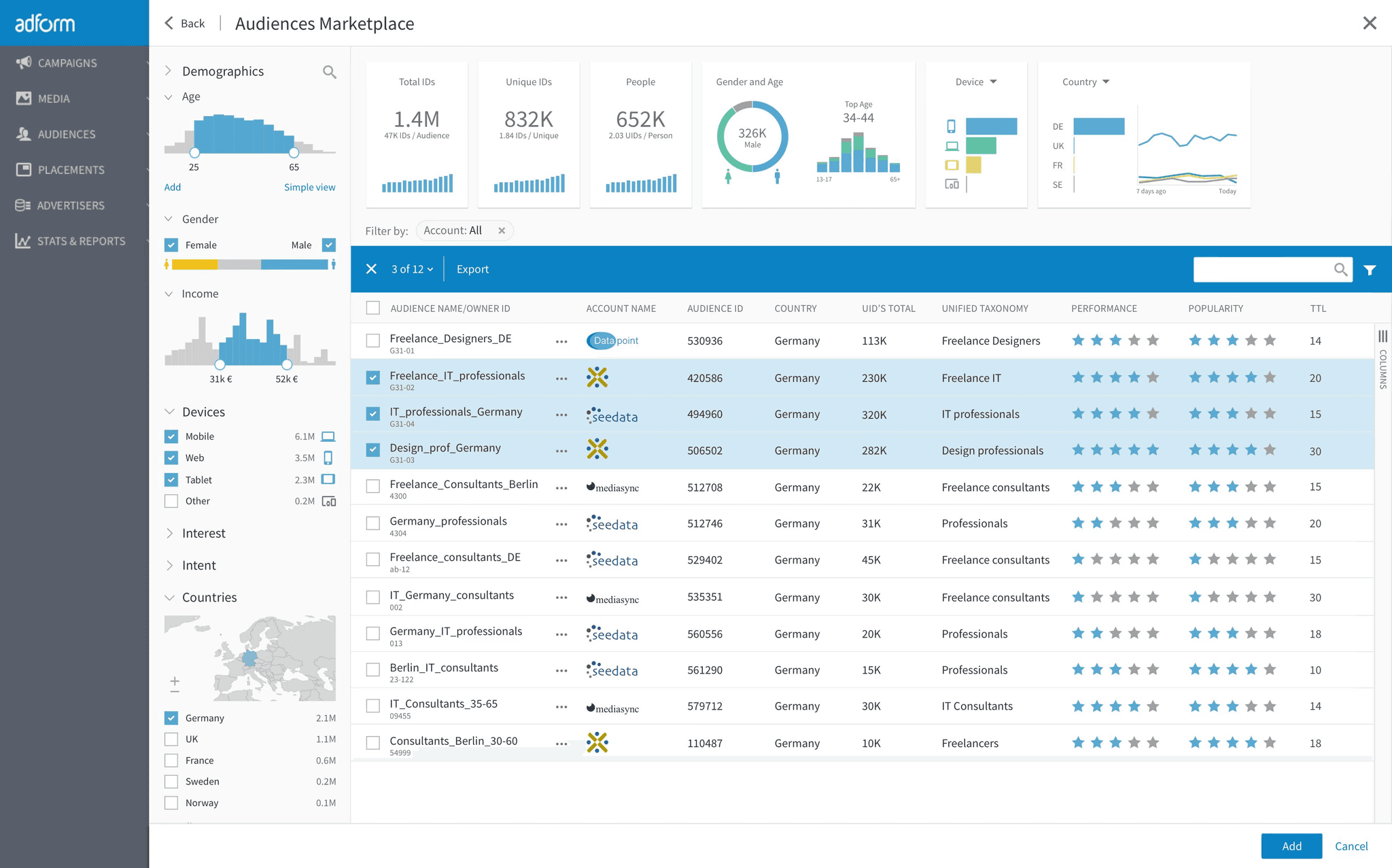
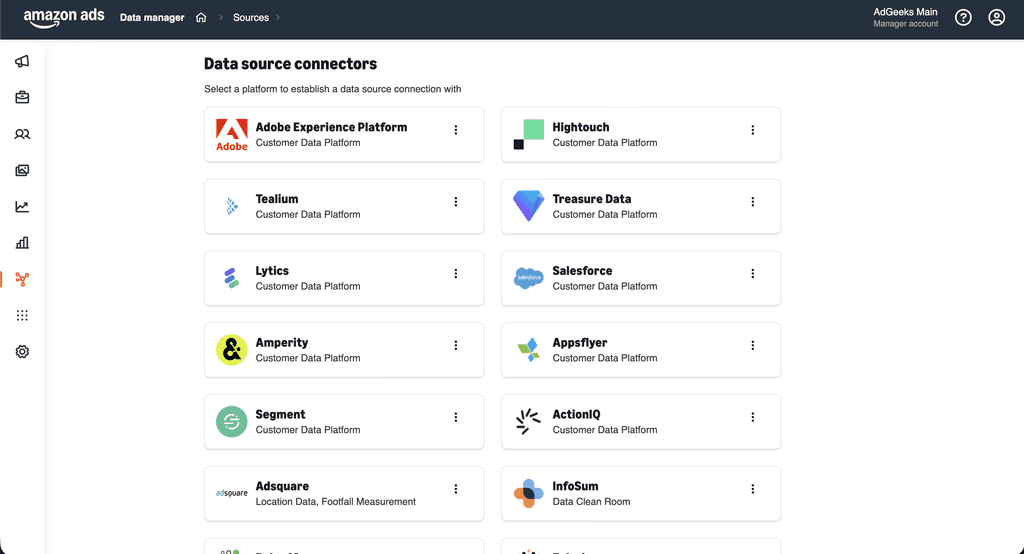
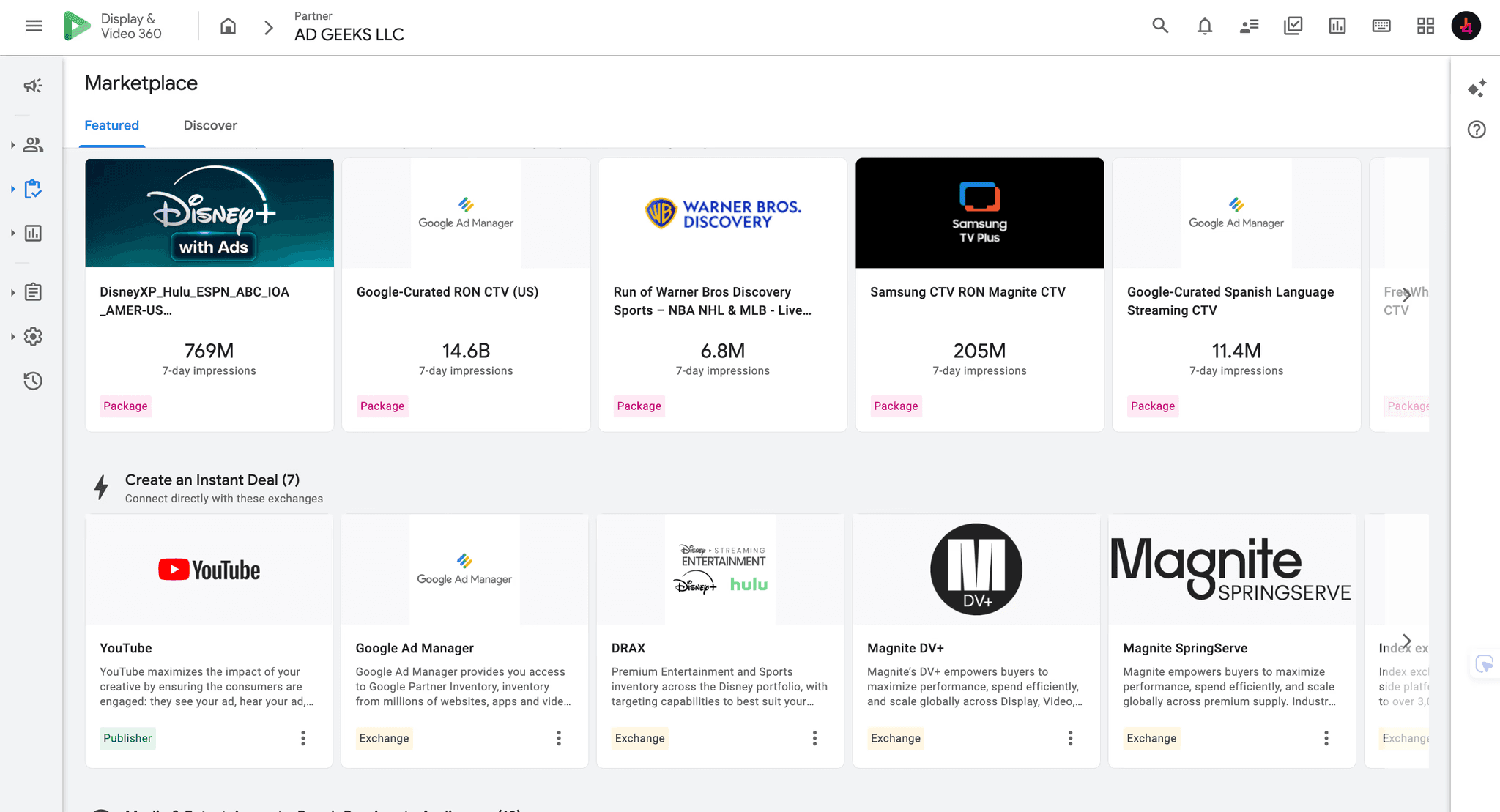
• Providing or managing access to platforms such as Display & Video 360, Amazon DSP and Adform
• Activating first-party, publisher and platform data
• Selecting open-auction, private marketplace and programmatic guaranteed inventory
• Controlling frequency, supply quality, brand safety and pacing
• Running creative and audience tests
• Measuring delivery, conversions, reach and incrementality
A specialist programmatic team should understand both the buying platform and the supply path behind each impression. That includes technology fees, data costs, exchange routes, deal IDs, inventory quality and the limits of each measurement method.
The platform layer is central
Programmatic agencies work inside DSPs every day. Platform selection is part of the strategy because each DSP has different inventory, signals, integrations and commercial requirements. Google describes DV360 as a single tool for planning campaigns, managing creative and audience data, buying inventory and measuring performance. Amazon positions Amazon DSP around audience reach across Amazon properties and third-party supply. Those are operating environments, not just media vendors.
The agency should be able to explain why a platform belongs in the plan, which data it contributes and where another platform would be stronger.
The service model can vary
A programmatic engagement can be fully managed, supported self-service or hybrid. In a managed model, the agency operates campaigns. In self-service, the advertiser or its agency uses the DSP directly, with access and technical support from a partner. A hybrid model divides responsibility by market, channel or task.
This flexibility is useful when a brand wants expert execution today but plans to build internal capability later. Our guide to choosing a programmatic advertising agency covers the commercial and governance questions behind that decision.
What is a media buying agency?
A media buying agency plans where, when and how advertising budget should be placed across channels. Its scope may include television, radio, print, outdoor, cinema, sponsorships, direct publisher agreements, paid social, paid search and programmatic media.
The value is breadth and coordination. A media buying agency can combine market research, channel planning, negotiations, placement schedules and consolidated reporting into one media plan. It may secure direct publisher rates or broadcast inventory that a digital specialist does not handle.
Programmatic can sit inside this model in three ways:
• The agency owns an internal programmatic trading desk
• The agency uses a separate specialist partner
• The agency buys through a platform's managed-service team
Those routes can produce very different levels of transparency, speed and technical control. Ask who actually builds the campaigns and who holds the DSP relationship.
The 7 differences that matter most
1. Channel scope
Media buying agencies usually offer the broader channel mix. Programmatic agencies concentrate on addressable digital environments such as display, online video, connected TV, audio, native, in-app and digital out-of-home. Our programmatic agency guide for display, video and CTV shows how those channels require different inventory and measurement controls.
Breadth is useful when the brief spans mass-reach channels. Specialization is useful when the digital buying system itself is the hard part.
2. Buying method
Traditional media buying often includes direct negotiation, fixed placements and insertion orders. Programmatic buying uses software to evaluate and purchase impressions through auctions or automated deals.
That does not mean every programmatic impression comes from an open auction. Private marketplaces and programmatic guaranteed deals can combine negotiated publisher access with DSP-based delivery and reporting.
3. DSP access and ownership
A programmatic agency should be clear about which DSPs it can access, whether the advertiser receives platform visibility and who owns the account structure, audiences, conversion tags and historical data.
A media buying agency may have excellent planners but outsource programmatic activation. Outsourcing is not automatically a weakness. Hidden outsourcing is. The contract and pitch should identify every party that touches the budget.
For teams that need enterprise platform access without a direct contract, our DV360 access guide explains the available routes.
4. Audience and data work
Programmatic specialists usually go deeper into audience architecture. They may onboard CRM audiences, build exclusions, activate retail signals, use contextual data, manage consent constraints and sequence messages across funnel stages.
A broader media buyer may bring stronger market-level planning and reach analysis across online and offline channels. The best partner connects those planning decisions to the audience logic inside the buying platforms.
5. Optimization cadence
Programmatic campaigns can change daily or hourly. Traders adjust bids, budgets, frequency caps, supply lists, creative rotation, audience weights and deal priorities as data arrives.
Many direct media placements are less fluid. A television spot, sponsorship or print placement may be committed in advance. The optimization job therefore shifts toward allocation between channels, future placement decisions and creative scheduling.
6. Measurement depth
Both agency types should measure outcomes. Programmatic agencies are more likely to work at event, audience, inventory and platform level. They should distinguish platform-attributed conversions from causal impact, reconcile reporting with analytics and design tests where possible. Our programmatic incrementality guide explains why reported conversions and incremental conversions are not the same thing.
Media buying agencies may provide stronger cross-channel reach, market-mix and brand-lift views, especially when offline channels are significant. Ask how digital and offline results will be reconciled before the campaign starts.
7. Fee structure and transparency
Either model may charge a retainer, a percentage of media, a project fee or a blended rate. Programmatic campaigns can also include DSP technology fees, data charges, verification costs, creative serving costs and supply-side fees.
Ask for an itemized cost model. A low management fee can hide a media markup. An all-in CPM can make comparison difficult. The useful number is how much budget becomes working media, which services are included and which costs change with spend.
Which agency model fits your brief?
Brief or requirement | Better starting point | Why |
|---|---|---|
DSP access and hands-on trading | Programmatic agency | Platform access and daily execution are central |
TV, radio, print and digital in one plan | Media buying agency | Broad planning and negotiation matter most |
First-party data activation | Programmatic agency | Audience architecture and platform integrations drive the work |
Large offline and sponsorship commitments | Media buying agency | Direct relationships and placement expertise are required |
CTV, display, online video and audio | Programmatic agency | One digital buying and measurement layer can coordinate the mix |
Integrated national launch with specialist digital activation | Both | Broad orchestration and deep programmatic execution are separate jobs |
Some briefs need both. A lead media agency can own the integrated plan while a programmatic specialist manages DSP access, trading and measurement. This works when responsibilities are explicit and reporting uses one source of truth.
Questions to ask before choosing
Use these questions in the first meeting:
1. Which channels will your team buy directly?
2. Which parts of the plan will be outsourced, and to whom?
3. Which DSPs will you use, and why do they fit this brief?
4. Will we receive direct platform access or only exported reports?
5. Who owns the account, audiences, tags, deal IDs and historical data?
6. How are DSP, data, verification and media fees shown?
7. How will you control frequency across publishers, devices and platforms?
8. Which supply-quality rules are applied before launch?
9. How quickly can bids, budgets and creative rotation be changed?
10. How will platform reporting be reconciled with our analytics?
11. What testing plan separates correlation from incremental impact?
12. What happens to our data and campaigns if we change partners?
Clear answers should name systems, owners, timelines and deliverables. General statements about premium inventory, proprietary technology or real-time optimization are not enough.
How Ad Geeks approaches the work
Ad Geeks combines strategy, enterprise DSP access, campaign execution and measurement. The operating model can be managed, supported self-service or hybrid, depending on the advertiser's team and governance needs.
The process starts with the business objective and the audience signal. Platform and inventory choices follow. Campaigns are then built with documented ownership, supply controls, frequency rules, creative tests and a reporting plan that connects platform delivery to business outcomes.
This is a programmatic specialization, not a claim to replace every media discipline. If a brief depends on broadcast negotiations, print or other offline placements, those channels should remain with a qualified media buyer and connect to one integrated plan.
A practical decision rule
Choose a programmatic agency when the main risk sits inside digital buying: platform access, fragmented supply, audience activation, rapid optimization, cross-platform frequency or technical measurement.
Choose a media buying agency when the main challenge is coordinating a wide channel mix, negotiating major offline placements or managing one integrated plan across markets.
Choose both when the plan needs broad orchestration and specialist programmatic execution. Define who owns strategy, activation, data, reporting and final decisions before contracts are signed.
Frequently asked questions
Is a programmatic agency a media buying agency?
Yes, but it is a specialist type. A programmatic agency buys digital media through DSPs and automated deals. A broader media buying agency may also purchase television, radio, print, out-of-home, direct digital, search and social media.
Can a media buying agency run programmatic campaigns?
Yes. It may operate an internal trading desk, use a specialist partner or buy through a platform's managed service. Ask who holds the DSP access and who performs the daily work.
What does a programmatic agency do that an in-house team may not?
It can provide DSP access, platform expertise, supply governance, deal management, trading capacity and measurement support. An in-house team can perform the same work when it has the contracts, people, processes and data infrastructure.
Do programmatic agencies buy connected TV?
Many do. Connected TV inventory can be purchased through DSPs using private marketplaces, programmatic guaranteed deals and other automated routes. Platform availability varies by market and publisher.
Is programmatic always cheaper than direct media buying?
No. Programmatic can improve control and automation, but it adds technology and data costs. Premium direct deals may also offer stronger placement certainty. Compare total cost, inventory quality and outcomes rather than CPM alone.
Who should own the campaign data?
The contract should define ownership and access for accounts, audiences, pixels, conversion tags, reports and historical campaign data. Advertisers should be able to retrieve the information needed for continuity and audit.
How do I compare agency proposals fairly?
Give each agency the same brief and require the same cost fields, platform details, ownership terms, service scope and measurement plan. Compare what the team will actually control, not only the headline fee.
If your brief depends on DSP access, programmatic execution or a clearer measurement plan, request programmatic access and support. Ad Geeks can assess the right operating model for the team you already have.