Last reviewed: September 2026
The best programmatic advertising agency is not simply the company with the largest media budget or longest platform list. The right partner must match your markets, business model, internal capability, data requirements, preferred demand-side platforms and measurement goals.
Some agencies specialize in enterprise transformation and first-party data. Others focus on ecommerce performance, Amazon retail media, flexible multi-DSP access or hands-on campaign management for lean teams.
This guide compares seven established programmatic partners across different use cases. We evaluate each company by platform access, service model, channel coverage, data capabilities, transparency and ideal client profile.
If your needs are more specific, see our dedicated comparisons of programmatic advertising services for small businesses and programmatic agencies for enterprise brands.
Quick answer: AdGeeks is the best overall option for advertisers and independent agencies that need flexible access to Google DV360, Amazon DSP and Adform through self-service, hybrid or managed models. Tinuiti and Acadia are strong commerce-media choices, Merkle suits enterprise CRM-led activation, Wpromote fits performance-focused mid-market brands, MiQ offers global programmatic specialization, and Jellyfish is a strong option for integrated digital media and technology.
Share your target markets, channels, media budget and internal capabilities. AdGeeks will recommend the most suitable DSP and operating model for your requirements.
How We Evaluated the Agencies
We compared each partner using the same selection criteria:
DSP access: Which buying platforms and inventory environments the partner can support.
Service model: Self-service, hybrid, managed service or a combination.
Channel coverage: Display, online video, connected TV, audio, native, digital out-of-home and retail media.
Data capabilities: First-party audience activation, clean-room support, identity strategy and measurement.
Geographic reach: Ability to run campaigns across one or multiple markets.
Transparency: Visibility into fees, platforms, campaign data and reporting.
Best-fit client: The advertiser size, operating model and use case most likely to benefit.
Disclosure: This guide is published by AdGeeks, which is included in the comparison. We apply the same criteria to every provider and clearly identify where another agency is a stronger fit for a specific use case.
Best Programmatic Advertising Agencies at a Glance
Agency | Best for | Core strength | Typical service model |
|---|---|---|---|
AdGeeks | Flexible multi-DSP access | DV360, Amazon DSP and Adform through one partner | Self-service, hybrid or managed |
MiQ | Global programmatic specialization | Data-led planning and cross-market execution | Managed |
Jellyfish | Integrated digital media and technology | Media, creative and marketing technology integration | Consulting and managed |
Tinuiti | Commerce and performance media | Retail media, ecommerce and full-funnel execution | Managed |
Merkle | Enterprise CRM and first-party data | Customer-data-led media activation | Consulting and managed |
Wpromote | Mid-market performance growth | Programmatic integrated with broader performance media | Managed |
Acadia | Amazon and retail media | Marketplace, retail media and Amazon DSP strategy | Managed |
The Best Programmatic Advertising Agencies in 2026
1. AdGeeks - Best Overall for Flexible Multi-DSP Access
Best for: Brands and independent agencies that need Google DV360, Amazon DSP or Adform access without building a full internal trading operation.
AdGeeks provides access to three major programmatic buying platforms through self-service, hybrid and fully managed models. This flexibility allows clients to choose how much campaign control and operational support they need.
A brand can use managed execution while retaining strategic visibility. An experienced agency can obtain platform infrastructure and operate campaigns directly. A growing team can begin with hands-on support and move toward self-service as its capability develops.
Key strengths:
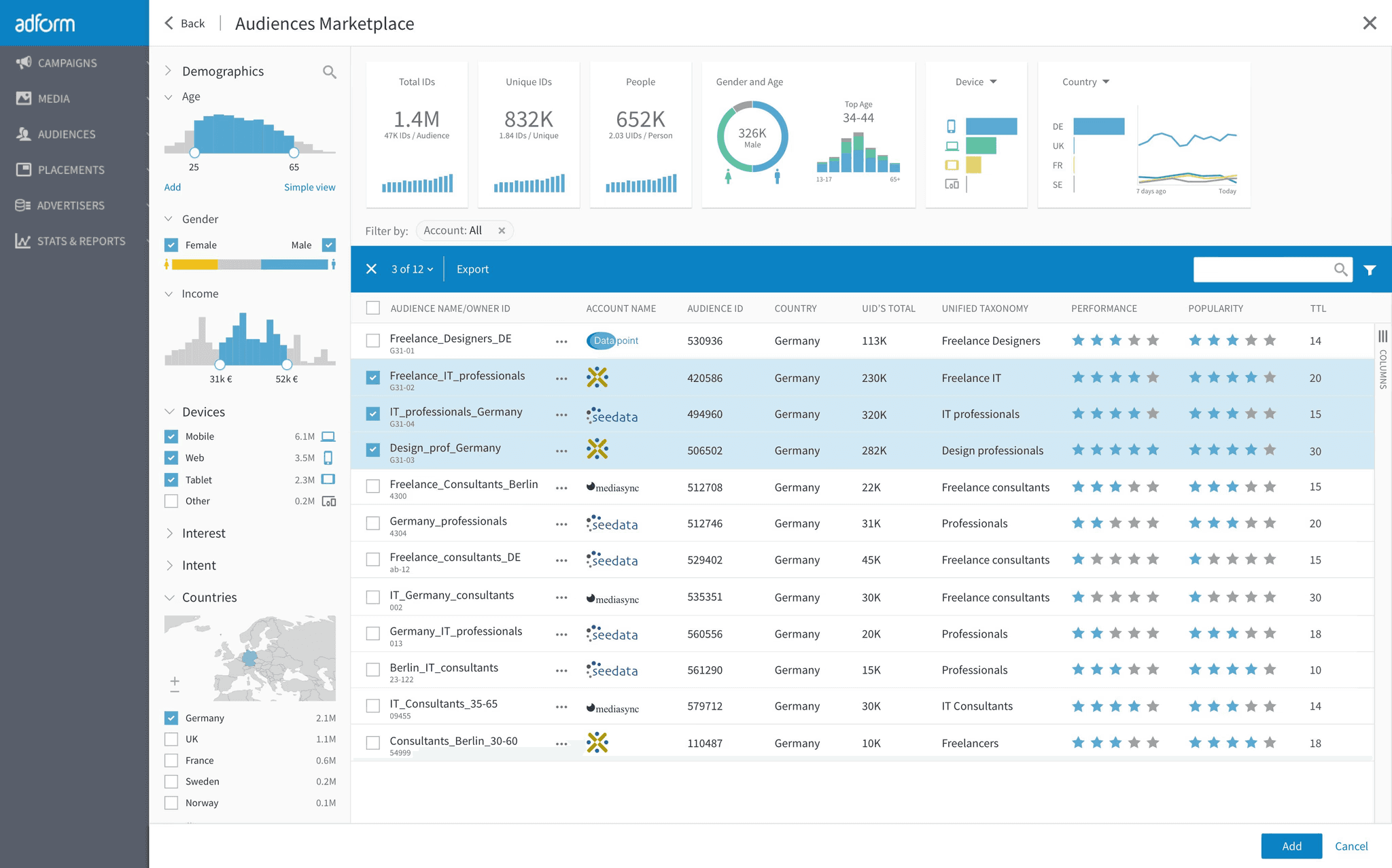
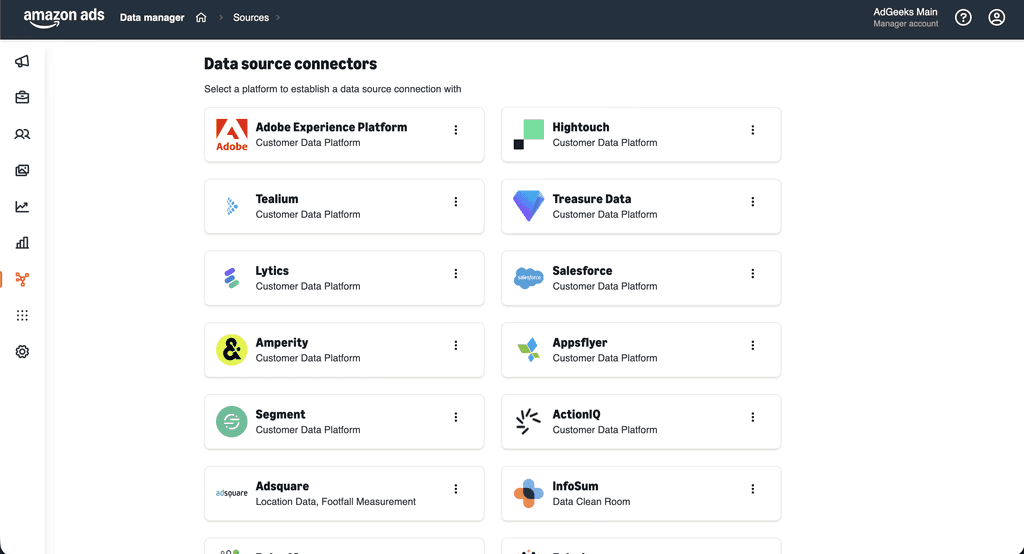
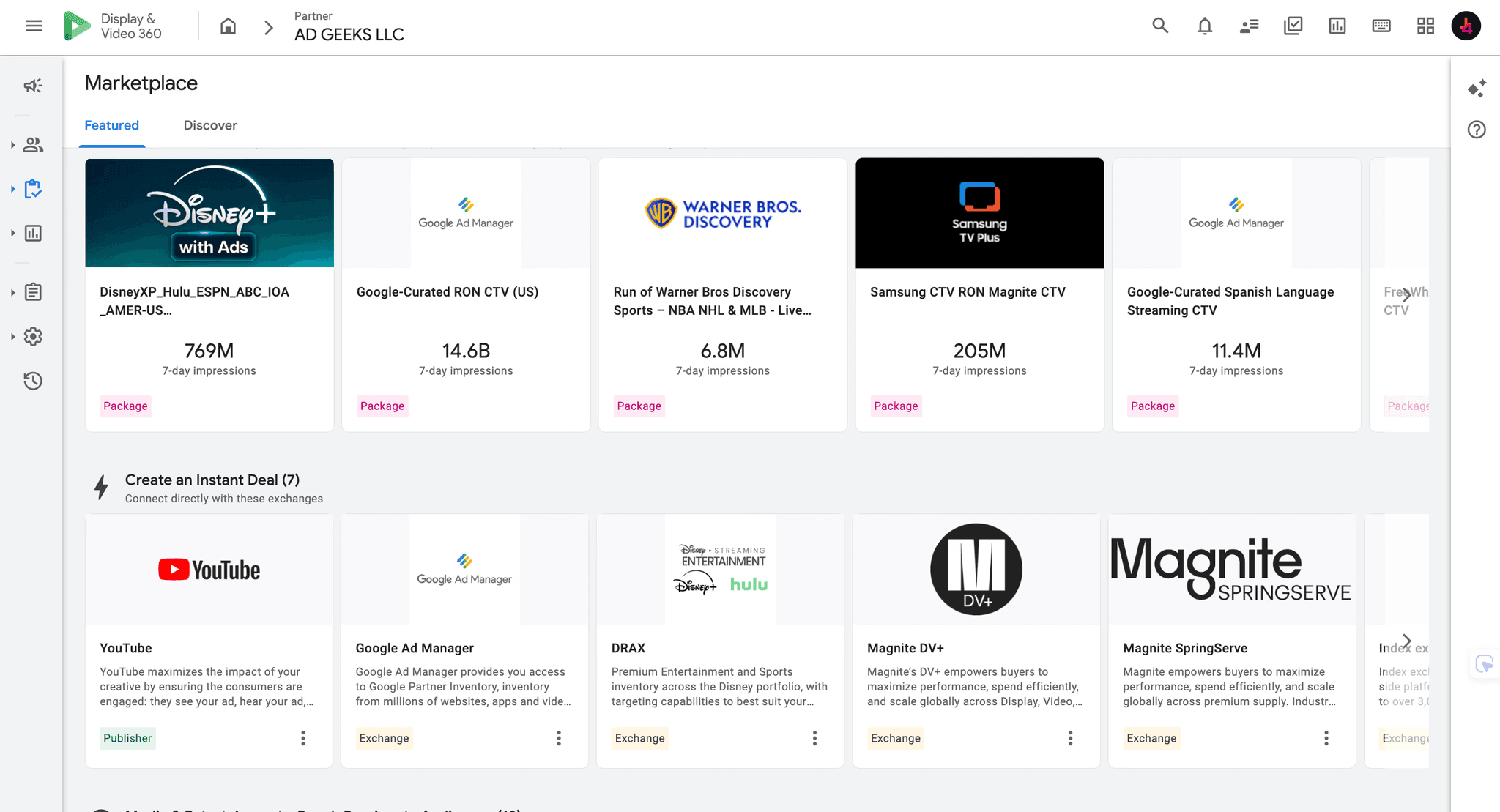
Access to Google Display & Video 360, Amazon DSP and Adform.
Self-service, hybrid and fully managed operating models.
Display, video, connected TV, audio, native and digital out-of-home activation.
Onboarding, campaign setup, platform training and technical support.
Suitable for both advertisers and independent agencies.
Potential limitation: AdGeeks is a specialist programmatic infrastructure and execution partner rather than a large global network providing every marketing discipline.
Choose AdGeeks when: You need transparent platform access, flexible support and the ability to select the DSP that fits the campaign instead of forcing every campaign into one system.
2. MiQ - Best for Global Programmatic Specialization
Best for: Advertisers seeking a programmatic specialist with international market coverage, data-led planning and managed execution.
MiQ focuses heavily on programmatic media and data. Its model suits advertisers that want an experienced team to plan and manage cross-market campaigns without operating a DSP internally.
Key strengths:
Programmatic-first positioning.
International campaign capabilities.
Audience planning and analytics support.
Cross-channel and connected-TV experience.
Managed execution for teams without internal traders.
Potential limitation: Advertisers seeking direct self-service DSP access should confirm the level of platform visibility and operational control available under the proposed engagement.
Choose MiQ when: You want a managed programmatic specialist capable of coordinating campaigns across multiple markets.
3. Jellyfish - Best for Integrated Digital Media and Technology
Best for: Brands that want programmatic media integrated with creative, analytics and marketing technology.
Jellyfish combines media services with consulting, creative and technology capabilities. It can suit organizations whose programmatic challenge is connected to a wider digital transformation or marketing-platform requirement.
Key strengths:
Integrated media, technology and creative services.
Experience with global digital platforms.
Analytics and measurement support.
Suitable for multi-market organizations.
Ability to connect programmatic planning with broader digital activity.
Potential limitation: A broad integrated engagement may be more complex than necessary for advertisers that only need DSP access or campaign execution.
Choose Jellyfish when: Programmatic media must be coordinated with a broader technology, creative or digital-marketing transformation.
4. Tinuiti - Best for Commerce and Performance Media
Best for: Ecommerce, direct-to-consumer and retail brands that need programmatic media connected to commerce and performance marketing.
Tinuiti is known for performance marketing and commerce-media capabilities. Its programmatic offering is particularly relevant when the advertiser also needs retail media, paid search, paid social or marketplace expertise.
Key strengths:
Commerce and retail-media specialization.
Strong performance-marketing orientation.
Cross-channel campaign planning.
Experience with ecommerce and D2C brands.
Measurement focused on business outcomes.
Potential limitation: Smaller advertisers should confirm account requirements, team structure and whether the service model matches their budget and desired level of control.
Choose Tinuiti when: Programmatic advertising must work closely with ecommerce, retail media and performance channels.
5. Merkle — Best for CRM and First-Party Data Activation
Best for: Large organizations with mature customer data, CRM infrastructure and complex audience requirements.
Merkle specializes in customer experience, data and technology. Its programmatic strength is most relevant when media activation must connect with CRM data, identity, analytics and enterprise marketing systems.
Key strengths:
First-party data and CRM expertise.
Enterprise analytics and technology integration.
Audience strategy and customer-experience capabilities.
Global scale.
Support for complex governance and measurement requirements.
Potential limitation: The operating model and scope may be excessive for a smaller brand that needs a straightforward campaign or flexible DSP access.
Choose Merkle when: Your programmatic strategy depends on enterprise customer data, identity and CRM integration.
6. Wpromote - Best for Mid-Market Performance Growth
Best for: Mid-market and growth-stage brands that want programmatic connected to search, social and broader performance media.
Wpromote combines programmatic media with other digital channels. This can help brands coordinate paid media around shared commercial goals instead of managing programmatic as an isolated channel.
Key strengths:
Performance-oriented media planning.
Programmatic integration with search and social.
Suitable for growing and mid-market brands.
Creative and analytics support.
Focus on measurable growth.
Potential limitation: Advertisers seeking a platform-only arrangement or direct self-service DSP access should confirm whether that operating model is available.
Choose Wpromote when: You need a managed performance partner that can coordinate programmatic with other paid channels.
7. Acadia - Best for Amazon and Retail Media
Best for: Brands that sell through Amazon or other retail-media ecosystems and need marketplace, retail-media and DSP expertise.
Acadia combines retail-media strategy with marketplace and performance capabilities. It is a relevant option for advertisers whose programmatic plan is closely tied to Amazon, product sales and commerce outcomes.
Key strengths:
Amazon and retail-media expertise.
Marketplace and ecommerce strategy.
Amazon DSP campaign support.
Performance measurement aligned with commerce outcomes.
Cross-channel retail-media planning.
Potential limitation: Advertisers with no commerce or retail-media requirement may benefit more from a broader multi-DSP or general programmatic specialist.
Choose Acadia when: Amazon and retail-media growth are central to the advertising strategy.
How to Choose the Right Programmatic Advertising Agency
1. Define the Business Objective
Begin with the commercial problem, not the DSP. Decide whether the campaign must build incremental reach, generate qualified traffic, support ecommerce sales, activate first-party data, enter a new market or improve cross-channel measurement.
2. Choose the Required Operating Model
Self-service: Your team operates the platform directly. This provides control but requires experienced traders and regular optimization.
Managed service: The agency plans and operates the campaign. This is useful when internal capability is limited, but reporting and fee transparency remain essential.
Hybrid: The advertiser retains strategic involvement while the partner handles technical setup, trading or selected tasks.
For a deeper explanation, see our programmatic agency selection guide.
3. Confirm DSP and Inventory Access
Ask which platforms will actually be used and why. A provider claiming “programmatic access” may use one preferred DSP even when another platform would better match the inventory, geography or measurement requirement.
Confirm access to the channels you need:
open-web display;
online video;
connected TV;
streaming audio;
native advertising;
digital out-of-home;
private marketplace and programmatic-guaranteed deals;
retail-media and commerce audiences.
4. Compare the Full Cost
Programmatic proposals can include media spend, platform fees, campaign-management fees, data, verification, measurement and creative costs.
Ask every agency to separate these components. A low headline CPM does not prove that the complete service is more efficient.
Use our DSP pricing comparison to understand common platform and service-cost structures.
5. Evaluate Data and Measurement
Clarify how the agency will use first-party data, manage consent, control frequency and measure business outcomes.
Request a written measurement plan covering:
primary and secondary KPIs;
attribution windows;
platform and analytics reporting;
incrementality or lift where appropriate;
cross-channel reach and frequency;
ownership and portability of campaign data.
6. Verify Transparency and Ownership
Ask whether your team will receive DSP access, which fees are visible, who owns the advertiser account, how campaign data can be exported and what happens if the relationship ends.
A strong agency should explain its commercial model without obscuring platform, data or service fees.
Questions to Ask Before Hiring a Programmatic Agency
Which DSPs do you support, and how do you select one for a campaign?
Will we have direct platform access or only agency reports?
How are platform, data, media and management fees separated?
Who owns the advertiser account and campaign data?
Which inventory sources and private marketplace deals are available?
How do you manage brand safety, fraud and supply-path quality?
How will first-party audiences be activated and protected?
What does your optimization process look like?
Which team members will operate the campaigns?
What are the contract length and minimum-spend requirements?
Can we move from managed to hybrid or self-service later?
How will success be measured beyond platform-reported conversions?
AdGeeks helps brands and agencies access DV360, Amazon DSP and Adform through self-service, hybrid and fully managed models.
Share your markets, objectives, channels and approximate media budget. We’ll recommend the most suitable platform and operating model.
Frequently Asked Questions
What Is a Programmatic Advertising Agency?
A programmatic advertising agency helps advertisers plan, buy, optimize and measure digital media through automated buying platforms. Services may include DSP access, audience strategy, campaign trading, creative support, private marketplace deals, brand safety and reporting.
Which Programmatic Advertising Agency Is Best?
The best agency depends on the advertiser’s objective, budget, markets, internal expertise and required platforms. AdGeeks is a strong flexible multi-DSP option; Tinuiti and Acadia suit commerce use cases; Merkle fits enterprise data activation; Wpromote suits mid-market performance programs; MiQ specializes in global managed programmatic; and Jellyfish connects media with wider digital technology.
How Much Does a Programmatic Agency Cost?
There is no universal rate. Costs can include media spend, a DSP fee, management fee, audience data, verification, measurement and creative production. Some partners apply minimum monthly or campaign commitments. Request a complete fee breakdown before comparing proposals.
What Is the Difference Between a Programmatic Agency and a DSP?
A DSP is the technology used to buy and optimize media. An agency provides strategy, people and operational services around one or more DSPs. Some agencies also provide partner access to platforms that would otherwise be difficult for an advertiser to obtain directly.
Should We Use a Managed or Self-Service Model?
Choose self-service when your team has experienced traders and enough time to manage campaigns. Choose managed service when you need the agency to operate the program. Choose hybrid when you want strategic control and platform visibility while outsourcing technical execution or selected tasks.
Can One Agency Provide Access to Multiple DSPs?
Yes. Multi-DSP partners can support more than one platform and recommend the best fit by market, inventory, audience and measurement requirement. Confirm whether the platforms are genuinely available under the engagement and how fees differ.
What Should Be Included in Programmatic Reporting?
Reporting should include delivery, reach, frequency, viewability, video completion, conversions and cost metrics relevant to the objective. It should also explain fees, inventory quality, audience performance and any attribution limitations.
How Do We Avoid Hidden Programmatic Fees?
Request separate disclosure of media cost, DSP fee, agency management fee, data, verification, measurement and creative costs. Confirm whether rebates, markups or undisclosed margins affect the media supply.
Do Small Businesses Need a Specialist Agency?
Not always. A simple self-service platform may be sufficient for a narrow retargeting or local campaign. A specialist becomes valuable when the advertiser needs enterprise DSP access, connected TV, multiple markets, complex audiences or hands-on support.
What Should Enterprise Brands Prioritize?
Enterprise brands should prioritize first-party data activation, privacy governance, global execution, service-level agreements, account ownership, advanced measurement and integration with internal technology. Those needs are covered in our dedicated enterprise programmatic agency comparison.
Final Recommendation
Choose a programmatic agency based on operating fit, transparency and the platforms required to solve the business problem—not on the length of its services list.
Shortlist two or three partners, give each the same campaign brief and compare their proposed DSP, audience plan, inventory, measurement method, fee structure and team model.
If flexible platform access and the ability to move between self-service, hybrid and managed execution are priorities, AdGeeks is a strong starting point.
Tell us what you want to achieve, where you need to advertise and how your team prefers to operate. We’ll recommend the most suitable DSP and service model.