Choosing a CTV advertising agency is not mainly a chemistry test. It is a control test. The right partner should be able to show what you can buy, how each impression is sourced, which fees sit between budget and media, and how campaign exposure connects to a business outcome.
That is harder than comparing a media plan or a single CPM. Two agencies can propose the same streaming service while using different buying routes, sellers, data, verification and measurement. One quote may be media-only. Another may bundle technology and management. A third may hide the details behind a single blended rate.
Quick answer: choose a CTV advertising agency that can document inventory access, separate every fee, preserve your account and data rights, control supply quality and frequency, and define measurement before launch. Use the 15 questions below as a scored buyer checklist. A strong partner answers with evidence, not broad claims.
What does a CTV advertising agency actually do?
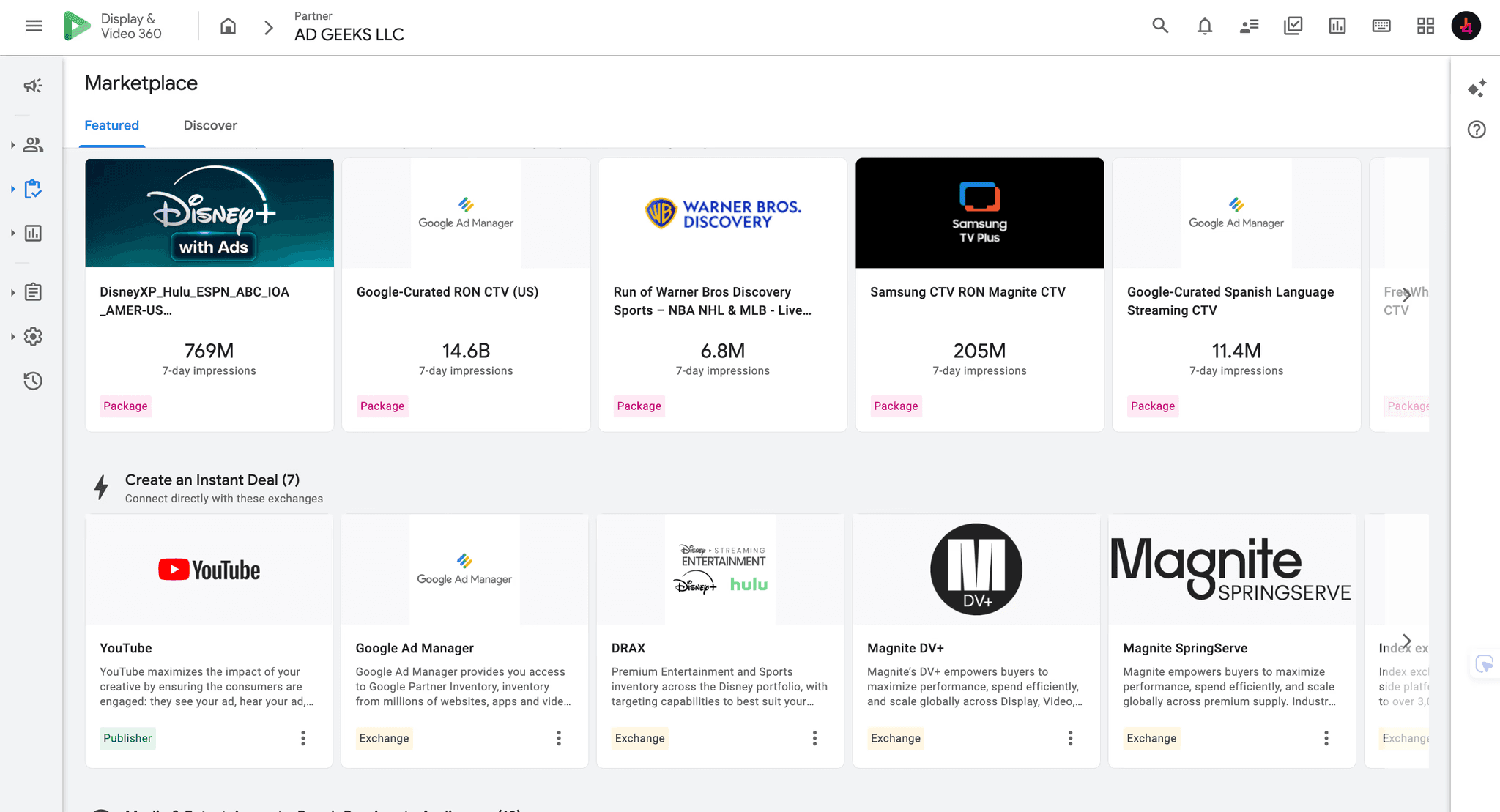
A CTV agency plans, buys, measures and improves video advertising delivered through internet-connected television environments. Its scope may include streaming publishers, FAST channels, smart-TV inventory, broadcaster video-on-demand, YouTube on TV screens and programmatic CTV supply.
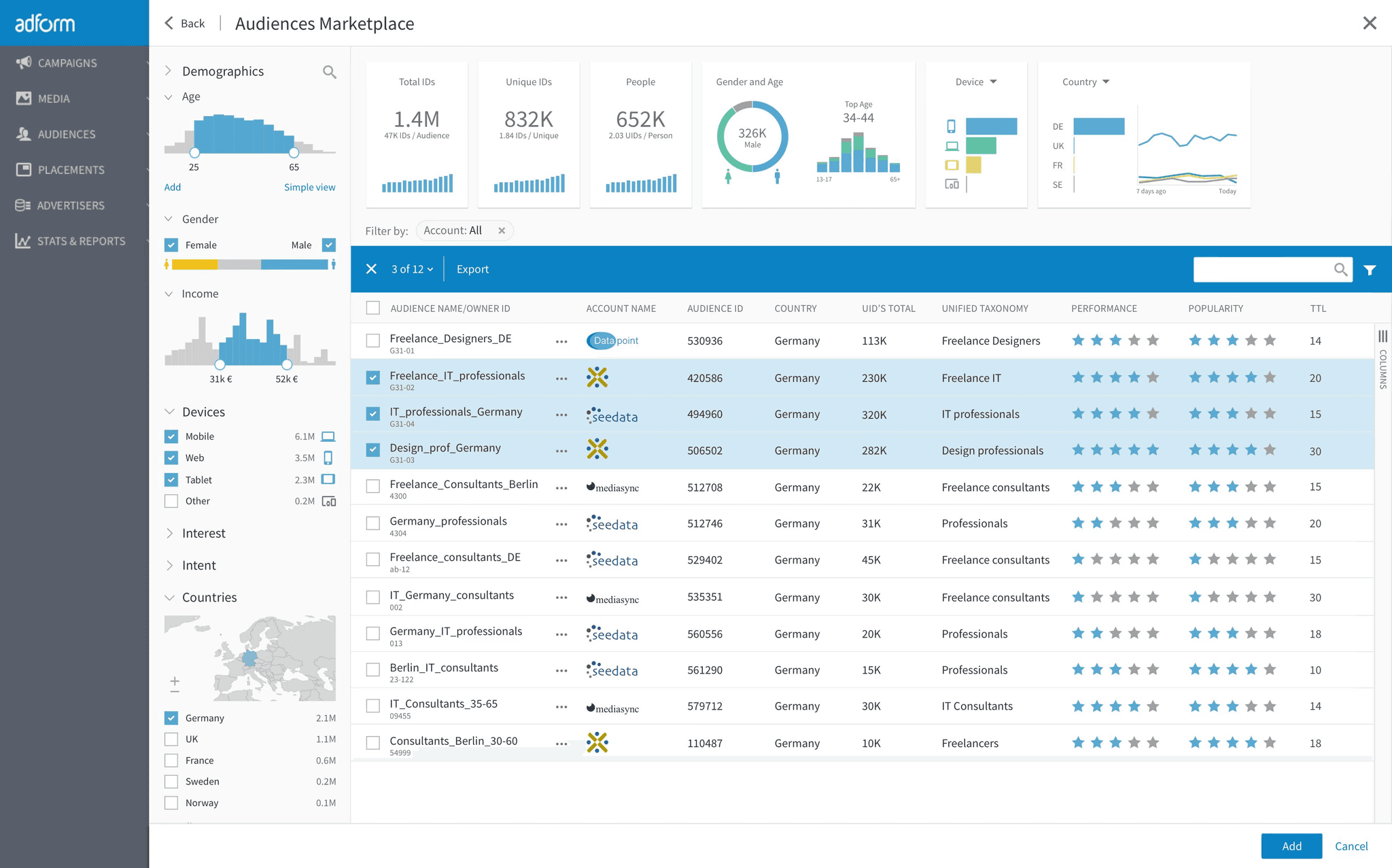
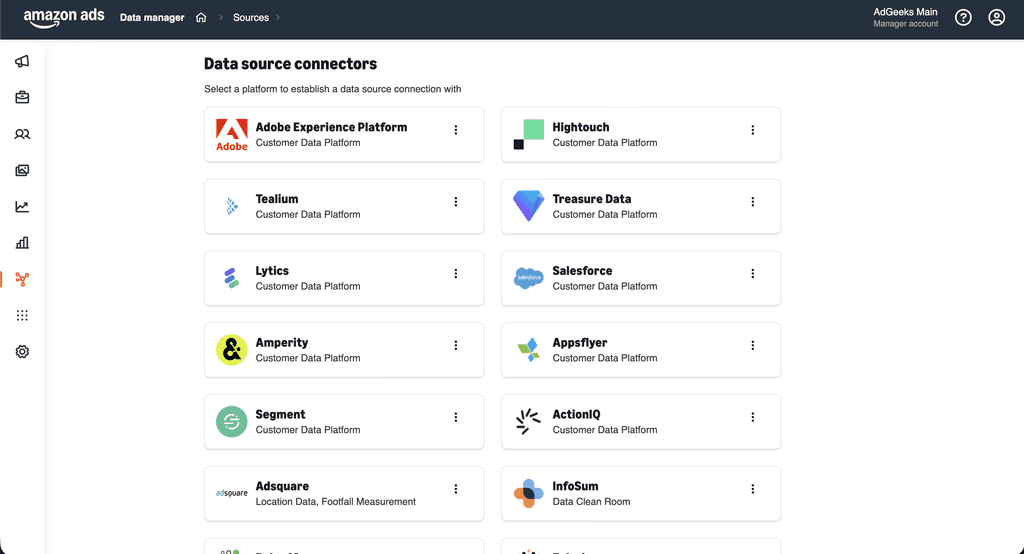
The agency may work through DSPs such as DV360, The Trade Desk, Amazon DSP or another buying platform. It may also negotiate private marketplace deals, programmatic guaranteed packages and direct insertion orders. The important question is not how many logos appear in a pitch. It is which routes are available in your target market, under what terms, and who controls the resulting data.
A complete CTV service can include:
audience, market and reach planning;
publisher and supply-path selection;
DSP setup, deal activation and direct-buy coordination;
video-specification and tracking QA;
pacing, bid, frequency and creative optimization;
invalid-traffic, brand-suitability and seller monitoring;
reach, completion, site-outcome and incrementality reporting.
The CTV agency scorecard
Score each question from 0 to 2. Give 2 points for a specific answer supported by a sample, contract term, platform view or documented process. Give 1 point for a plausible but incomplete answer. Give 0 points for refusal, vagueness or an answer that depends on information being unavailable until after signing.
Score | Meaning | Recommended action |
|---|---|---|
26-30 | Strong control and transparency | Move to commercial and team-fit evaluation. |
20-25 | Viable, with gaps | Put the missing controls, reports or rights into the agreement. |
14-19 | Material risk | Request evidence and compare another partner before signing. |
0-13 | Low transparency | Do not proceed without a different operating model or contract. |
Do not let one excellent answer cancel several weak ones. Inventory provenance, fees, data ownership and measurement are separate risks. A partner should clear each category.
15 questions to ask a CTV advertising agency
1. Which CTV inventory can you access in our target markets?
Why it matters: streaming availability varies by country, DSP, seller and commercial route. A global platform logo does not prove that a specific publisher, show or audience is available for your campaign.
A strong answer includes: a current market-by-market inventory map; the relevant apps, channels and publishers; available formats; expected scale; and any restrictions. The agency should distinguish confirmed access from inventory it still needs to source.
Red flag: “We can reach every streaming service” without naming the buying route or current geographic availability.
2. Are you buying through direct IOs, PMPs, programmatic guaranteed deals or the open auction?
Why it matters: the buying method affects reservation, price, targeting, reporting, frequency control and operational workload. No route is automatically best for every campaign.
A strong answer includes: the role of each route in the plan and the trade-off it solves. Direct IO may secure a specific event or package. A PMP can combine curated supply with DSP controls. A governed open auction can add reach and learning.
Red flag: presenting every deal ID as premium or every direct contract as guaranteed quality.
3. Who owns or directly represents the inventory?
Why it matters: a publisher, exclusive representative, SSP, reseller or curator can all offer CTV inventory. More intermediaries can add value, but they can also add fees and obscure provenance.
A strong answer includes: the publisher or app, seller, exchange, deal owner and reseller relationships. The agency should be able to explain how it checks app-ads.txt, sellers.json and SupplyChain signals where available.
Red flag: refusal to disclose app, seller or exchange detail because the supply is “proprietary.”
4. Which DSPs do you use, and why does one fit our campaign?
Why it matters: DSPs differ in publisher access, first-party data options, geographic coverage, optimization, reporting and commercial requirements. The familiar platform is not always the right platform.
A strong answer includes: a platform-neutral comparison tied to your audience, markets, inventory, budget and measurement needs. It should also cover any minimums or technical dependencies.
Red flag: choosing a DSP only because it is the agency's standard seat.
5. Will our company own the advertiser account, audiences, pixels and campaign history?
Why it matters: ownership determines whether you can audit performance, retain learning and change partners without rebuilding the account.
A strong answer includes: written terms covering advertiser access, audience ownership, conversion tags, raw exports, deal IDs, creative assets, naming conventions and offboarding. If the campaign must run in an agency seat, the partner should explain what remains portable.
Red flag: no direct access, no export rights and no defined migration process.
Ad Geeks can review inventory routes, fees, DSP access and measurement requirements before you choose a buying partner.
6. What fees will appear between our total budget and working media?
Why it matters: the headline CPM rarely represents the complete cost. Depending on the plan, total cost can include DSP, data, verification, ad serving, measurement, creative, deal, technology and management charges.
A strong answer includes: a line-item fee schedule and a worked example that reconciles total budget to net media. It should state whether fees are fixed, percentage-based, CPM-based, marked up or embedded in a blended rate.
Red flag: one all-in CPM with no separation of media, technology and service.
7. Do you receive media rebates, volume discounts or seller incentives?
Why it matters: incentives can influence platform and supply recommendations. The issue is not that commercial relationships exist. The issue is whether they are disclosed and governed.
A strong answer includes: written disclosure of rebates, credits, bonuses, principal-media arrangements and how benefits are allocated. The contract should state whether the agency acts as agent or principal.
Red flag: the agency will not explain whether it resells media or retains undisclosed buying benefits.
8. How do you control CTV frequency and duplication?
Why it matters: households can see the same ad across publishers, devices, DSPs and direct buys. A frequency cap inside one platform does not automatically apply across the whole campaign.
A strong answer includes: platform-level caps, household or device rules, overlap reporting, publisher coordination and a plan for channels outside the primary DSP. The agency should define how often frequency is reviewed and what triggers a change.
Red flag: reporting only average frequency or claiming perfect cross-platform deduplication without explaining the identity method and limits.
9. How do you protect supply quality, brand suitability and invalid-traffic controls?
Why it matters: a completed video is not useful if the app, seller or environment is unsuitable, misrepresented or invalid.
A strong answer includes: allowlists or governed exclusions, authorized-seller checks, app and channel reporting, verification coverage, invalid-traffic treatment, escalation rules and post-bid monitoring. It should separate brand safety from brand suitability.
Red flag: relying on a single blocklist or saying that CTV is automatically fraud-free.
10. What creative and technical QA happens before launch?
Why it matters: incorrect duration, aspect ratio, bitrate, VAST behavior, tracking or publisher approval can reduce delivery or break measurement.
A strong answer includes: a documented checklist for master files, platform transcodes, audio, safe zones, QR codes, click and event tracking, VAST compatibility, language, publisher approval and device previews.
Red flag: the agency accepts a file and launches without a platform or publisher test.
11. Which KPIs will you use for delivery, quality and business impact?
Why it matters: completion rate and CPM describe delivery. They do not prove incremental reach, consideration, visits, sales or another business effect.
A strong answer includes: a KPI hierarchy. Delivery may use impressions, pacing and completion. Quality may use valid traffic, content environment, unique reach and frequency. Outcomes may use site visits, conversions, brand lift, store visits, sales lift or incrementality where feasible.
Red flag: one success metric for every campaign, especially view-through rate alone.
12. How will you measure conversions and incrementality?
Why it matters: CTV viewing and conversion often happen on different devices. Attribution therefore depends on identity, time windows, consent, data access and methodology.
A strong answer includes: the identity or matching approach, attribution window, deduplication logic, privacy limits, conversion-event quality and a test design for incrementality when budget and scale support it. The agency should explain the difference between attributed and caused outcomes.
Red flag: treating every post-view conversion as incremental.
13. What reporting will we receive, at what granularity and cadence?
Why it matters: a polished monthly slide can hide supply, fee and frequency problems. Buyers need enough detail to diagnose the plan while it can still be changed.
A strong answer includes: sample reports with publisher or app, seller, exchange, deal, device, geography, creative, audience, reach, frequency, completion, invalid traffic, outcomes and fees where the platforms permit it. It should define refresh cadence and access to live dashboards or exports.
Red flag: screenshots with no downloadable data or reporting limited to impressions, CPM and completions.
14. Who will manage the account, and what is the optimization and escalation process?
Why it matters: senior expertise in a pitch has little value if day-to-day decisions lack ownership. CTV deal troubleshooting can involve the DSP, SSP, publisher, creative team and measurement provider.
A strong answer includes: named roles, meeting cadence, optimization responsibilities, response times, approval rules, deal troubleshooting and a clear escalation path. Ask who can change budgets, supply and measurement settings.
Red flag: no named operator, no service levels and no record of changes.
15. What happens if delivery, quality or measurement fails?
Why it matters: contracts should define remedies before a problem occurs. CTV campaigns can underdeliver, over-frequency a small audience, fail a brand-suitability rule or lose a measurement signal.
A strong answer includes: thresholds, notification timing, pause authority, make-goods, credits, invalid-traffic treatment, replacement inventory, data recovery and termination or offboarding terms.
Red flag: the only remedy is “we will optimize.”
How to normalize CTV agency fees
Ask every agency to complete the same budget table. This prevents a low media CPM from appearing cheaper when required costs are listed elsewhere.
Cost line | What to request | Common pricing basis |
|---|---|---|
Working media | Net amount that buys impressions | CPM or fixed commitment |
DSP or platform | Platform fee and what it covers | % of media or CPM |
Audience data | Provider, segment and markup | % of media or CPM |
Verification | IVT, suitability and measurement coverage | CPM or flat fee |
Ad serving | Hosting, tracking and event costs | CPM |
Measurement | Brand lift, sales lift or attribution cost | Flat fee or minimum |
Creative | Versioning, adaptation, QA and production | Project or asset fee |
Management | Planning, setup, optimization and reporting | Retainer, % of media or hybrid |
Media margin | Any undisclosed or principal-buy spread | Markup or embedded margin |
Calculate both working-media percentage and all-in effective CPM. Then compare what each proposal includes. The cheapest normalized option is not automatically the best, but an unnormalized comparison is not a real comparison.
Documents to request before signing
a current inventory and buying-route map for your target markets;
a completed fee schedule with a total-budget reconciliation;
a sample media plan and sample placement-level report;
the supply-quality and invalid-traffic policy;
the measurement plan and event requirements;
account, data and asset ownership terms;
team roles, service levels, change control and escalation terms;
offboarding, export, make-good and termination provisions.
Common CTV agency selection mistakes
Choosing the lowest quoted CPM
CPM does not show content quality, unique reach, seller path, frequency, included fees or business impact. Normalize cost and evaluate the supply behind it.
Using platform access as the only selection criterion
DSP access matters, but operating discipline matters more. The partner still needs to configure deals, govern supply, QA creative, control frequency and explain results.
Accepting a publisher logo slide as an inventory map
Ask which inventory is direct, deal-based, guaranteed or auction-based in your specific market. Logos without routes, scale and terms are not evidence.
Leaving measurement until after launch
Conversion events, identity, lift studies and control groups often need setup before delivery begins. Define success, feasibility and data requirements during planning.
Ignoring offboarding
A clean exit protects audiences, tags, campaign history and momentum. Put export rights and migration support into the agreement before the relationship starts.
How Ad Geeks approaches CTV partner selection
Ad Geeks starts with the outcome, market and audience, then verifies available inventory routes. The review separates confirmed publisher access from assumed access and distinguishes direct IO, PMP, programmatic guaranteed and controlled open-auction supply.
The commercial review reconciles total budget to working media. The technical review covers DSP fit, seller paths, app and publisher visibility, creative requirements, frequency, conversion events and measurement limits. The operating plan names owners, reporting dimensions and escalation rules before launch.
This creates a transparent scorecard rather than a generic agency pitch. It also gives the buyer a clear record of what must be included in the contract.
Continue with the CTV direct IO vs PMP vs open auction comparison, the CTV minimum budget guide, the brand safety and supply-path checklist and the reach and frequency planner.
Bring your target markets, budget and measurement goals. Ad Geeks will map inventory access, buying routes, fees and the controls required for a clean launch.
Frequently asked questions
What should a CTV advertising agency provide?
A CTV advertising agency should provide market and audience planning, documented inventory access, a clear buying-route strategy, itemized fees, creative QA, supply and frequency controls, campaign optimization, placement-level reporting and a measurement plan tied to the business goal.
How much does a CTV agency charge?
Pricing can use a retainer, a percentage of media, a CPM-based fee, a project fee or a hybrid. Compare total cost, not the management fee alone. Include platform, data, verification, ad serving, measurement, creative and any media margin.
Should a CTV agency disclose every app and publisher?
The agency should provide the most granular reporting the buying route and platform permit, and disclose material limits before launch. For programmatic supply, request app, publisher, seller, exchange and deal-level detail where available.
Which DSP is best for CTV advertising?
There is no universal best DSP. The right choice depends on publisher access, country, audience data, budget, optimization, reporting and measurement. A good agency compares fit instead of forcing every campaign into one platform.
Can a CTV agency control frequency across every streaming service?
Usually not perfectly. A DSP can manage frequency within the impressions it controls, while direct publisher buys and walled gardens may sit outside that limit. Ask for a documented cross-platform frequency and overlap plan.
What is the biggest red flag when hiring a CTV agency?
The biggest red flag is a refusal to show how inventory, fees and measurement work. Claims of exclusive reach, premium supply or guaranteed outcomes should be supported by named routes, written terms and sample reporting.