Programmatic buying has its own language. Sit in on a DSP planning call and you will hear about bid requests, deal IDs, win rates and pacing in the first five minutes. If you are new to the work, or you manage the people doing it, the vocabulary can get in the way of the decisions.
This is part 1 of the AdGeeks terminology series. It covers the DSP terms that come up in almost every campaign, from the first bid to the final report. Each definition is short and practical: what the term means, and why it matters when budget is on the line.
Quick answer: A demand-side platform (DSP) is the software advertisers use to buy ad impressions automatically. The core terms describe how a DSP bids (bid request, bid strategy, win rate), what it pays (CPM, eCPM), where it buys (open auction, PMP, programmatic guaranteed) and how it controls delivery (pacing, frequency caps, dayparting).
The DSP terms you will hear on every campaign
Demand-side platform (DSP)
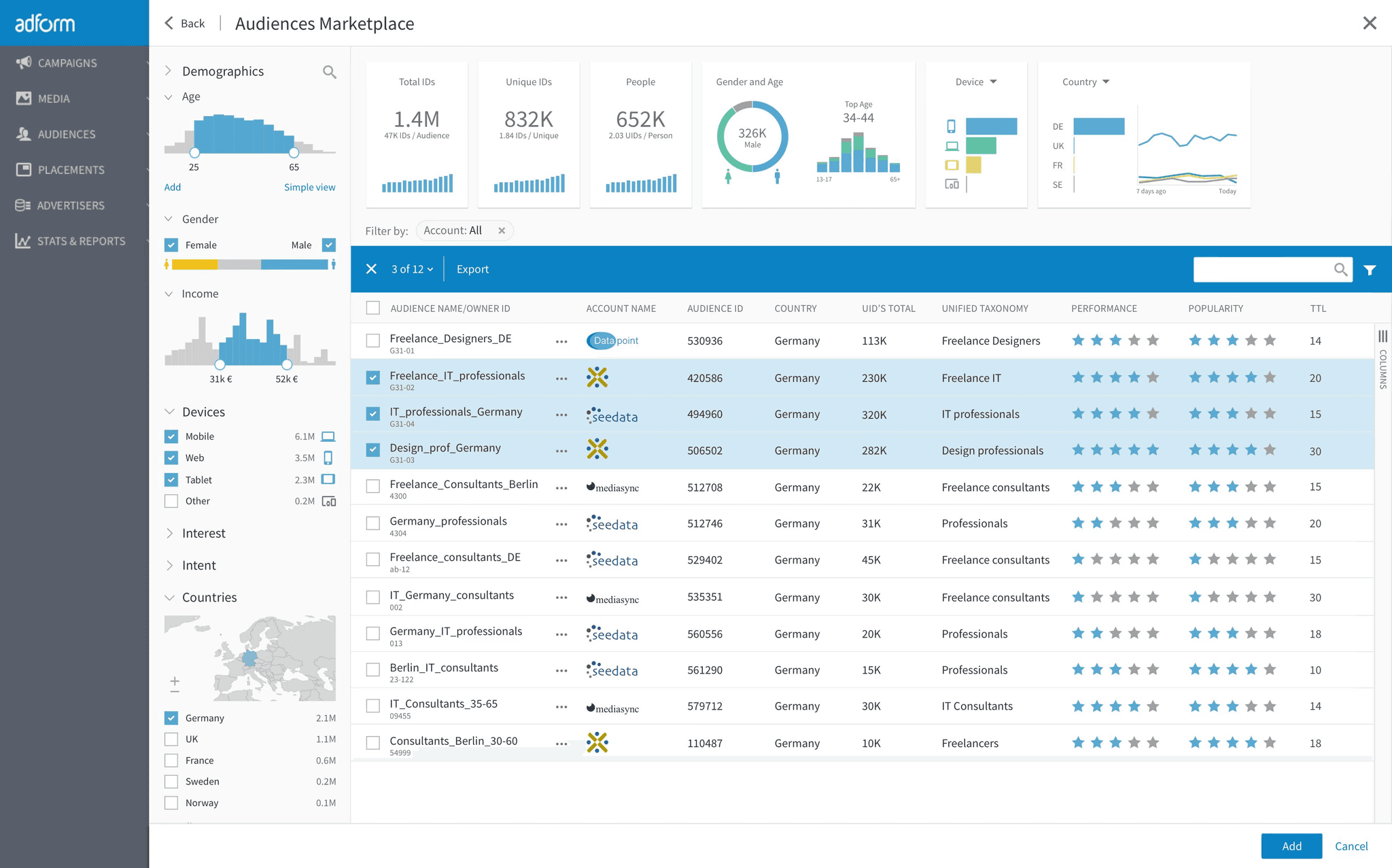
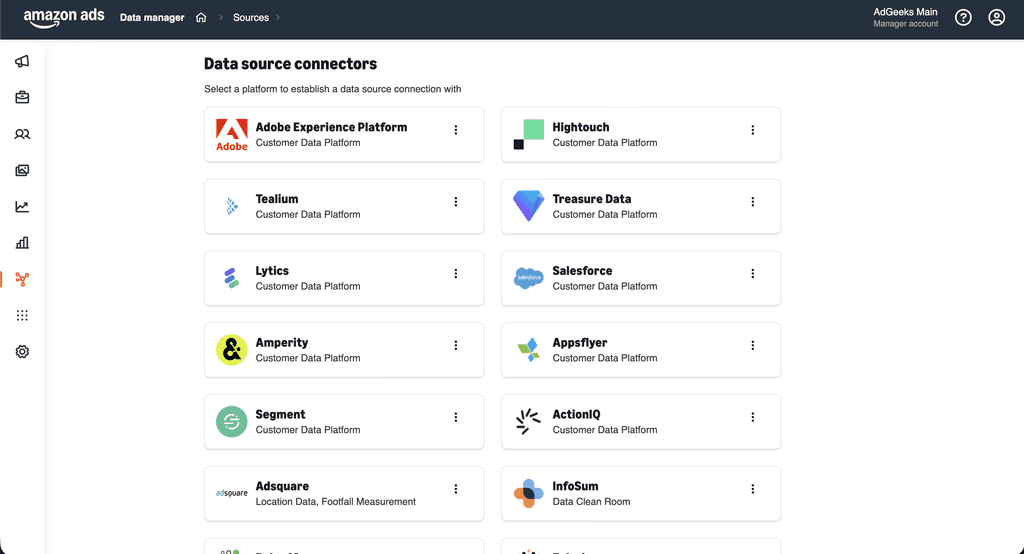
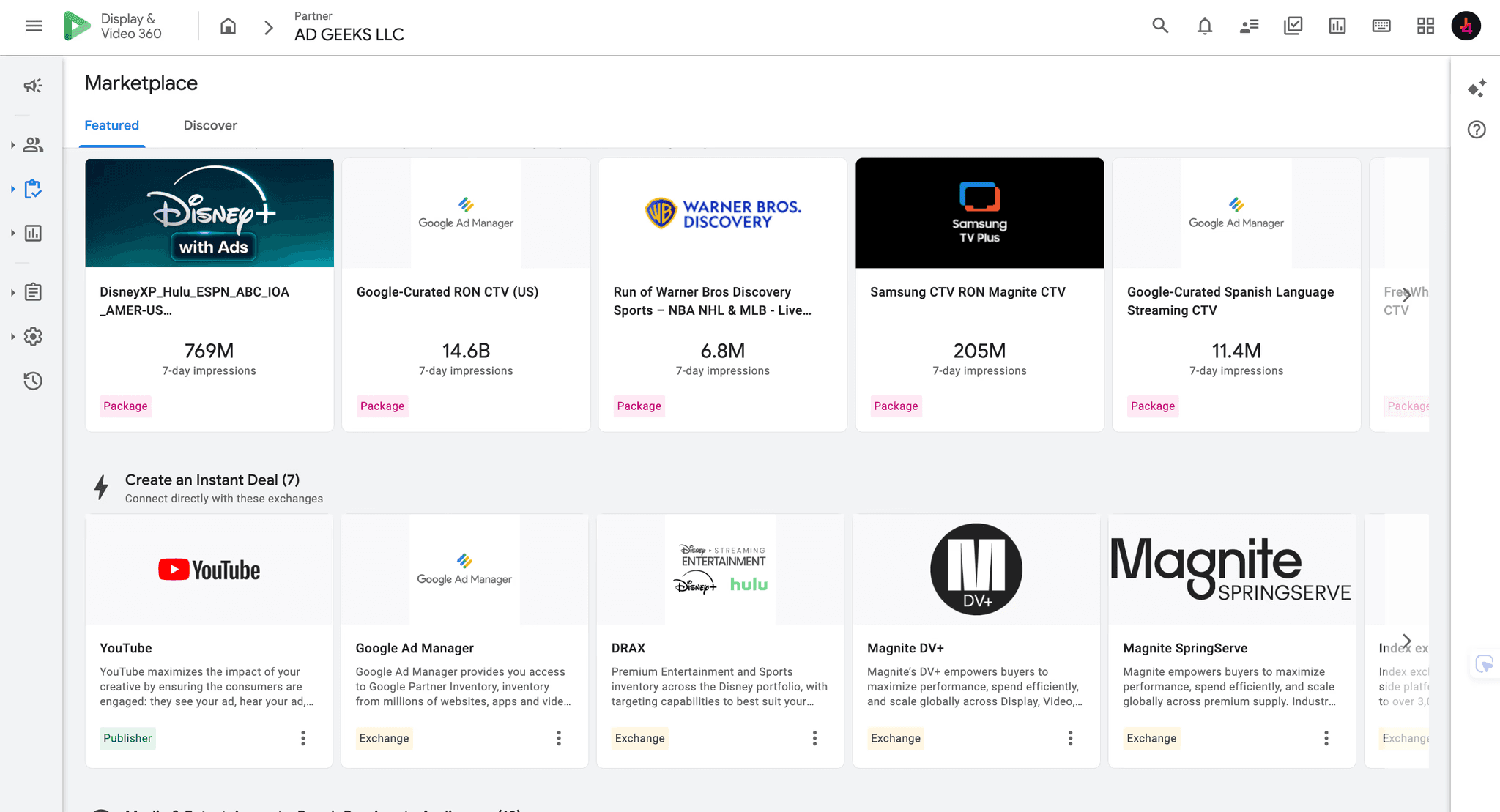
The software advertisers and agencies use to buy digital ad impressions across many exchanges from one interface. Google Display & Video 360, Amazon DSP, The Trade Desk and Adform are common examples. A DSP evaluates each available impression and decides, in milliseconds, whether to bid and how much. For a longer explanation, see our glossary entry on the demand-side platform.
Bid request
The message an exchange sends to DSPs when an impression is available. It describes the opportunity: the site or app, the ad size or format, the device, a rough location and any deal attached. The DSP reads it and decides whether the impression fits an active campaign.
Bid response
The DSP’s answer to a bid request. It contains the bid price and the creative to show if the bid wins. If no campaign matches, the DSP does not bid at all, which is called a no-bid.
Real-time bidding (RTB)
Real-time bidding is the auction process that connects bid requests and bid responses. It happens while the page or app loads, usually in well under a second. Most open-market programmatic buying runs on RTB.
Win rate
The share of bids that win the auction. If a line item bids on 1M impressions and wins 120K, the win rate is 12%. A very low win rate usually means bids are too low or targeting is too narrow. A very high one can mean you are overpaying.
CPM (cost per mille)
The price of 1,000 impressions. Most programmatic media is bought and reported on a CPM basis. A $6 CPM means you pay $6 for every 1,000 ads served. Our CPM calculator converts between budget, CPM and impressions.
eCPM (effective CPM)
Total cost divided by impressions, multiplied by 1,000, whatever the buying model was. eCPM lets you compare a CPC deal, a CPM deal and a fixed-fee sponsorship on the same scale.
Bid strategy
The rule a DSP follows when it sets a bid. A fixed bid pays the same price for every impression. Automated strategies adjust each bid to hit a goal, such as a target CPA, a target viewable CPM or the most conversions within budget.
Insertion order and line item
The two main building blocks of a campaign in many DSPs. The insertion order holds the budget and flight dates. Line items sit underneath it and carry the targeting, bids and creatives. You will see both terms in DV360. The Trade Desk uses campaigns and ad groups for a similar structure.
Deal ID
A code that identifies a pre-agreed deal between a buyer and a publisher. When a deal ID appears in a bid request, the DSP knows the impression belongs to that deal and applies the agreed price and rules.
Open auction, PMP and programmatic guaranteed
The three common ways to buy inventory through a DSP:
Open auction: any advertiser can bid on the impression. It offers the widest reach and the least control over where ads appear. More on the open auction.
Private marketplace (PMP): an invite-only auction a publisher runs for selected buyers, often with a floor price. More on PMPs.
Programmatic guaranteed: a fixed price and a fixed volume, agreed in advance and delivered through the DSP. More on programmatic guaranteed.
Pacing
Pacing is how evenly a DSP spends budget across the flight. Even pacing spreads spend across every day. ASAP pacing spends as fast as the auctions allow. Poor pacing is one of the most common reasons a campaign runs out of money early or ends underspent.
Frequency cap
A limit on how often the same person sees your ad in a set period, for example 3 times per day. Frequency capping protects budget and stops people tiring of the same creative.
Audience segment
A group of users defined by shared data, such as recent visitors to your site, in-market shoppers or people who match a CRM list. Audience segments can come from first-party, second-party or third-party data.
Retargeting
Retargeting shows ads to people who already interacted with your brand, usually site visitors or app users. It tends to convert well because the audience already knows you, but it does not create new demand on its own.
Viewability
Whether an ad had a real chance to be seen. The common MRC standard for display is at least 50% of the ad’s pixels on screen for 1 continuous second. For video it is 50% of pixels for 2 continuous seconds. Read more about viewability.
Brand safety and suitability
Brand safety blocks content almost no advertiser wants next to their ads. Suitability is the finer layer: rules that fit your own brand, such as avoiding air travel news if you sell flights.
Dayparting
Running ads, or raising bids, only at certain hours or on certain days. A food delivery brand might weight spend toward evenings, while a B2B campaign might focus on working hours.
Conversion window
The time after a click or an impression during which a conversion is credited to the ad. A 30-day post-click and 1-day post-view window is a common starting point. Short windows undercount impact. Long ones can claim credit the ad did not earn.
ROAS (return on ad spend)
Revenue attributed to ads divided by the ad cost. A ROAS of 4 means $4 of revenue for every $1 spent. Our ROAS calculator shows the break-even point for your margins.
How the terms fit together
A single impression touches most of these terms. The exchange sends a bid request. The DSP checks it against your line items, audience segments, frequency caps and brand safety rules. Your bid strategy sets the price, and the auction picks the winner. Across thousands of auctions, that shows up in your reports as win rate, CPM, pacing and, in the end, ROAS.
When results look off, walk the chain in that order. Most problems sit in targeting, bids or pacing long before they show up in the final numbers.
Keep learning
Part 2 of the series covers the ad tech terms behind programmatic infrastructure, and part 3 covers ad creative terms. For single definitions, browse the full programmatic advertising glossary.