Safari 27 now blocks network access to third-party identity-resolution infrastructure at the domain level across Apple platforms. Advertisers should audit Safari delivery and measurement, separate first-party use cases from cross-site matching, and test alternatives before moving budget.
What changed in Safari 27?
On October 19, 2026, Apple’s WebKit team announced a new block on identity-resolution infrastructure in Safari and WebKit. The protection applies to iOS, iPadOS, macOS and visionOS 27.
WebKit describes the target as third-party services that collect an email address during a login or newsletter sign-up, send it to their servers, and return a persistent tracking identifier to the page. Safari now blocks network access to that infrastructure at the domain level. WebKit says this prevents the email address from reaching those servers and stops the downstream creation and use of the identifier.
The announcement draws a clear line around first-party data. A publisher or retailer can still recognize and personalize for its own logged-in users. The block is aimed at a third-party resolver that combines or matches data across sites, devices or parties.
WebKit did not name affected vendors or publish a block list. Independent reporting from PPC Land confirms the policy’s practical scope across Apple’s version 27 operating systems, but the precise domain-selection process remains undisclosed.
Why does this matter for advertisers?
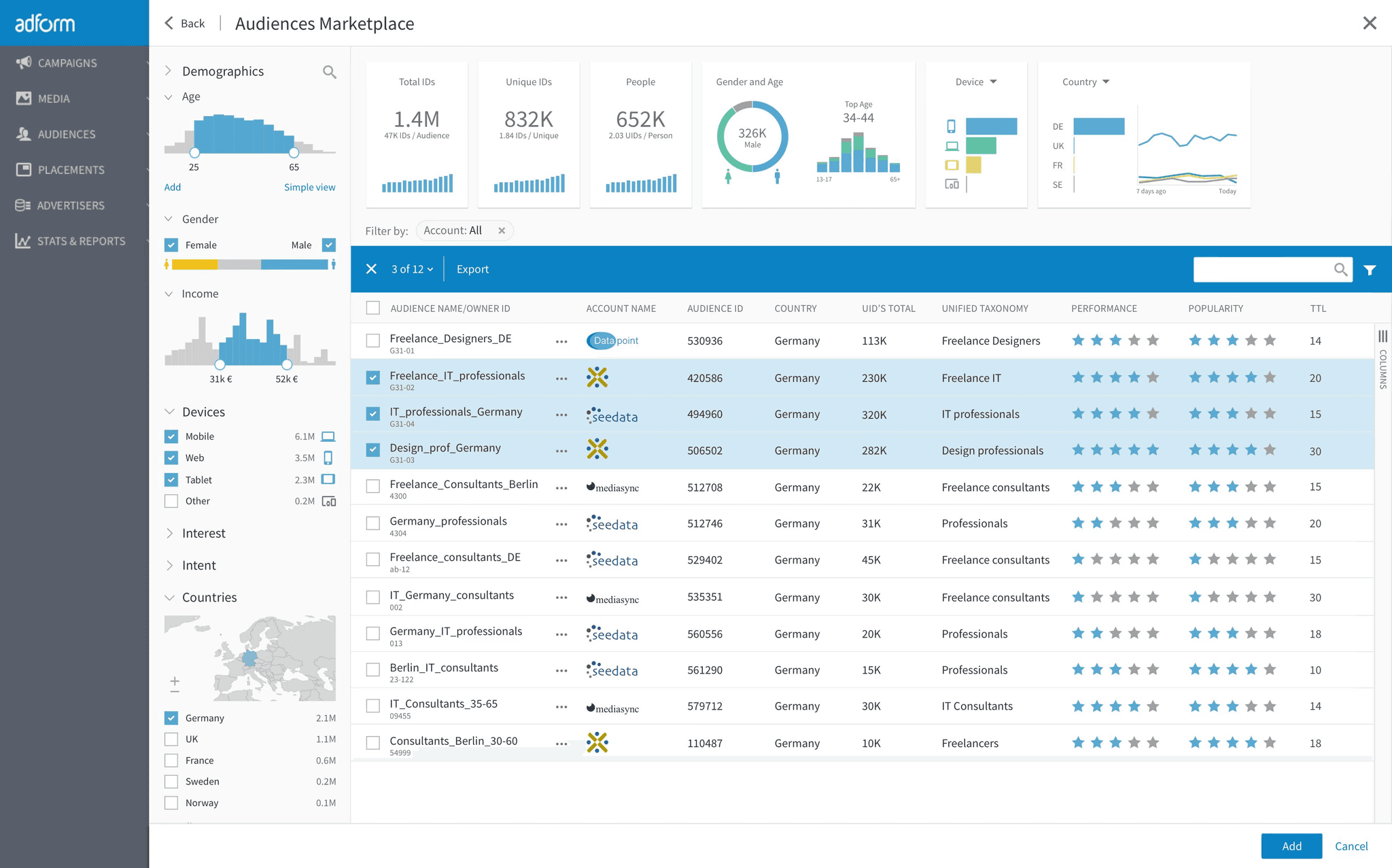
This is not only an identity-provider issue. It can change addressable reach, audience matching, frequency control, conversion attribution and the evidence buyers use to compare inventory. Any workflow that depends on a third party receiving an email address from a site and converting it into a cross-site identifier deserves immediate review.
The first risk is silent shrinkage. A campaign may keep spending while matched Safari audiences become smaller or stop populating. If reporting is blended across browsers, the loss can hide inside an average. That makes browser-level delivery, match rate and conversion trends more useful than a single campaign total.
The second risk is a measurement bias. Publishers and inventory sources with fewer observable signals may look weaker even when they still influence outcomes. IAB Tech Lab argues that this could steer demand toward environments where buyers can observe users and outcomes more easily. That is an industry position, not a measured impact from Apple, but it highlights a real planning problem: available evidence and actual media value are not always the same thing.
The wider direction is familiar from cookieless advertising. Browser controls are narrowing the set of cross-site signals available to buyers. The practical response is not to replace one universal identifier with another overnight. It is to build a measurement plan that can work when user-level matches are incomplete.
What should advertisers do now?
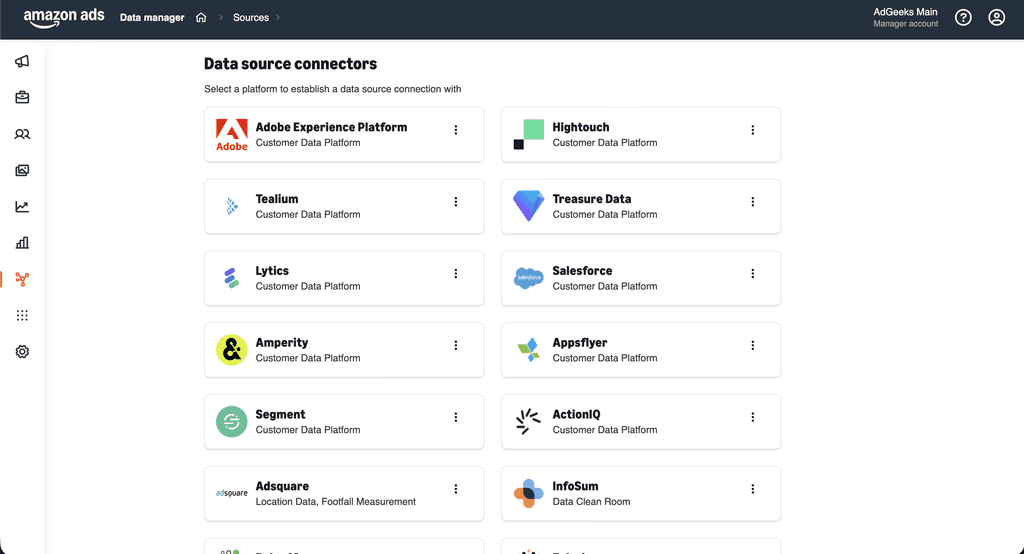
Map every identity dependency. Ask DSPs, publishers, data partners and measurement vendors whether any Safari workflow sends login or newsletter email data to third-party identity infrastructure. Record which campaigns, audiences and reports depend on it.
Break reporting out by browser and operating system. Compare Safari version 27 delivery, audience match rates, conversions and cost trends with earlier periods and other browsers. Use consistent windows and avoid declaring impact from a few days of data.
Separate first-party personalization from cross-site matching. Review where consented customer data stays inside your own systems and where a third party acts as a clearinghouse. The distinction now affects both privacy risk and technical availability.
Test measurement that does not require a universal ID. Plan controlled experiments, geo tests, platform lift studies, aggregate reporting and modeled outcomes. Use incrementality where it fits the decision, especially for budget shifts.
Hold budget changes until the evidence is clear. Do not cut Safari or open-web inventory only because deterministic matches fall. Check reach, quality, incrementality and business outcomes before reallocating spend.
What do we not know yet?
WebKit has not published the blocked domains, the criteria used to add or remove a domain, or an advertiser-facing method for diagnosing a specific failure. It also has not quantified the effect on reach, publisher revenue or campaign measurement. Those gaps matter because implementations differ across vendors and sites.
There is also no universal migration path. Server-side tools, clean rooms, aggregate measurement and publisher-controlled systems solve different problems. Each option still needs a clear purpose, valid consent and testing against the campaign decision it is meant to support.
FAQ: What are advertisers asking about Safari identity resolution?
Does Safari 27 block all first-party data use?
No. WebKit says first-party personalization is not the target. The block focuses on third-party infrastructure used for cross-site identity resolution.
Does this end addressable advertising in Safari?
No. Contextual targeting, publisher first-party segments, direct deals and aggregate measurement remain available. The change reduces access to one class of cross-site identity workflow.
Should advertisers stop using identity solutions?
Not automatically. Audit the exact data flow, browser exposure and campaign purpose. Keep solutions that remain lawful, transparent and technically effective, and build a fallback for incomplete matches.
Which sources did we use?
Need a clear test plan for identity, reach and measurement? Talk to AdGeeks about your programmatic strategy.