A global brand running display advertising faces a problem that local advertisers never see. The same campaign has to clear different regulators, reach audiences across incompatible media ecosystems, and hold a consistent message while adapting to language and buying behavior in every market. Display is the format that makes that reach possible at scale, and a programmatic agency is what turns the format into coordinated execution rather than a patchwork of disconnected buys.
This guide explains how programmatic display works for brands operating across borders, what separates a real agency partner from a media reseller, and where Ad Geeks fits for brands that need enterprise-grade display access without enterprise contracts. Three campaigns documented later in this piece show the model working across Europe, individual European markets, and an emerging market, so the framing rests on verified outcomes rather than promises.
What Programmatic Display Means for a Global Brand
Programmatic display buys banner and rich-media inventory automatically across the open web, with software bidding on individual impressions in real time. Instead of negotiating placements publisher by publisher, a brand reaches its audience wherever that audience appears, and the bidding logic decides which impressions are worth winning. Display carries high-impact visuals that build brand awareness at scale, which is exactly what a brand entering new markets needs before any lower-funnel activity can work.
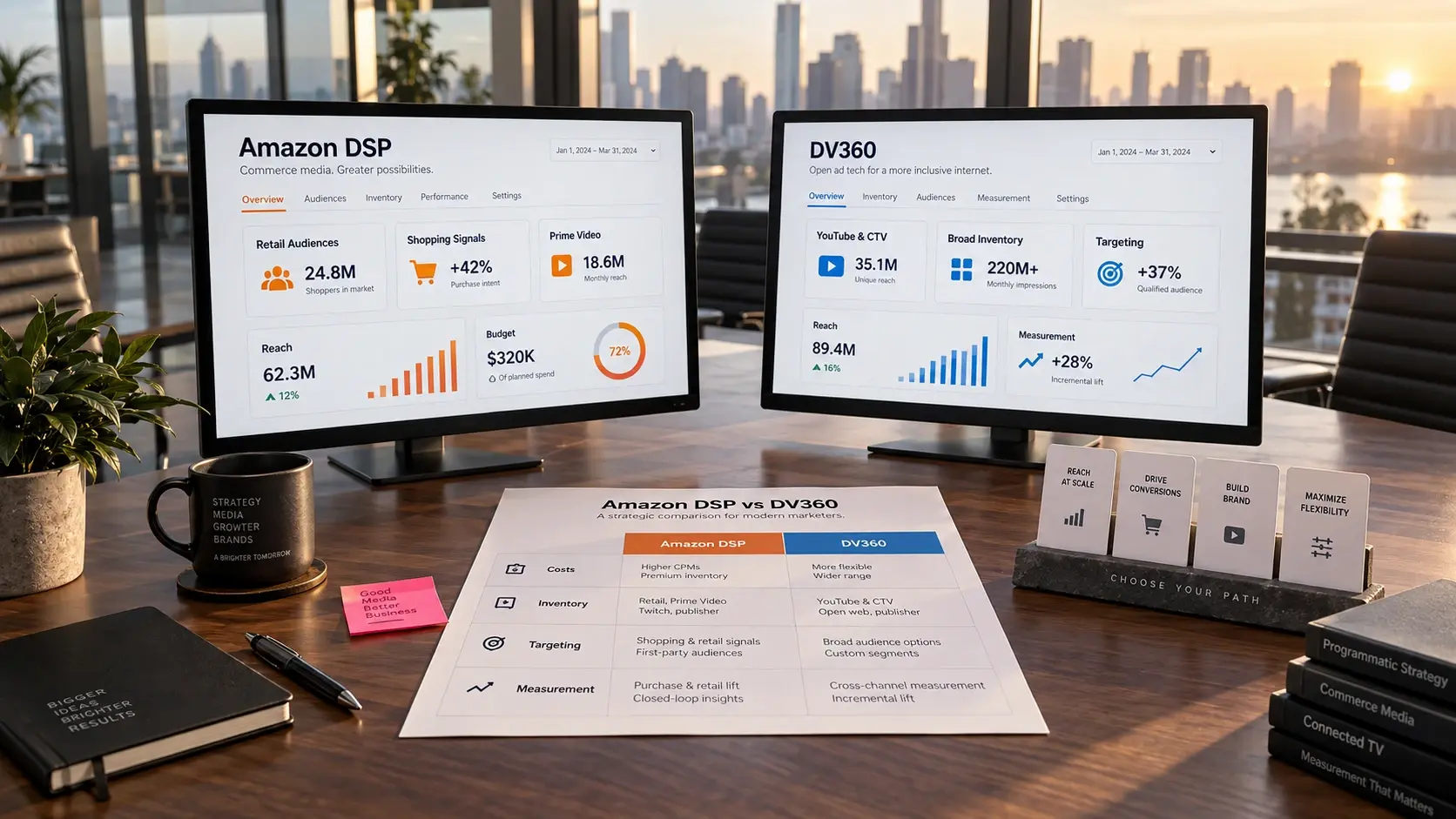
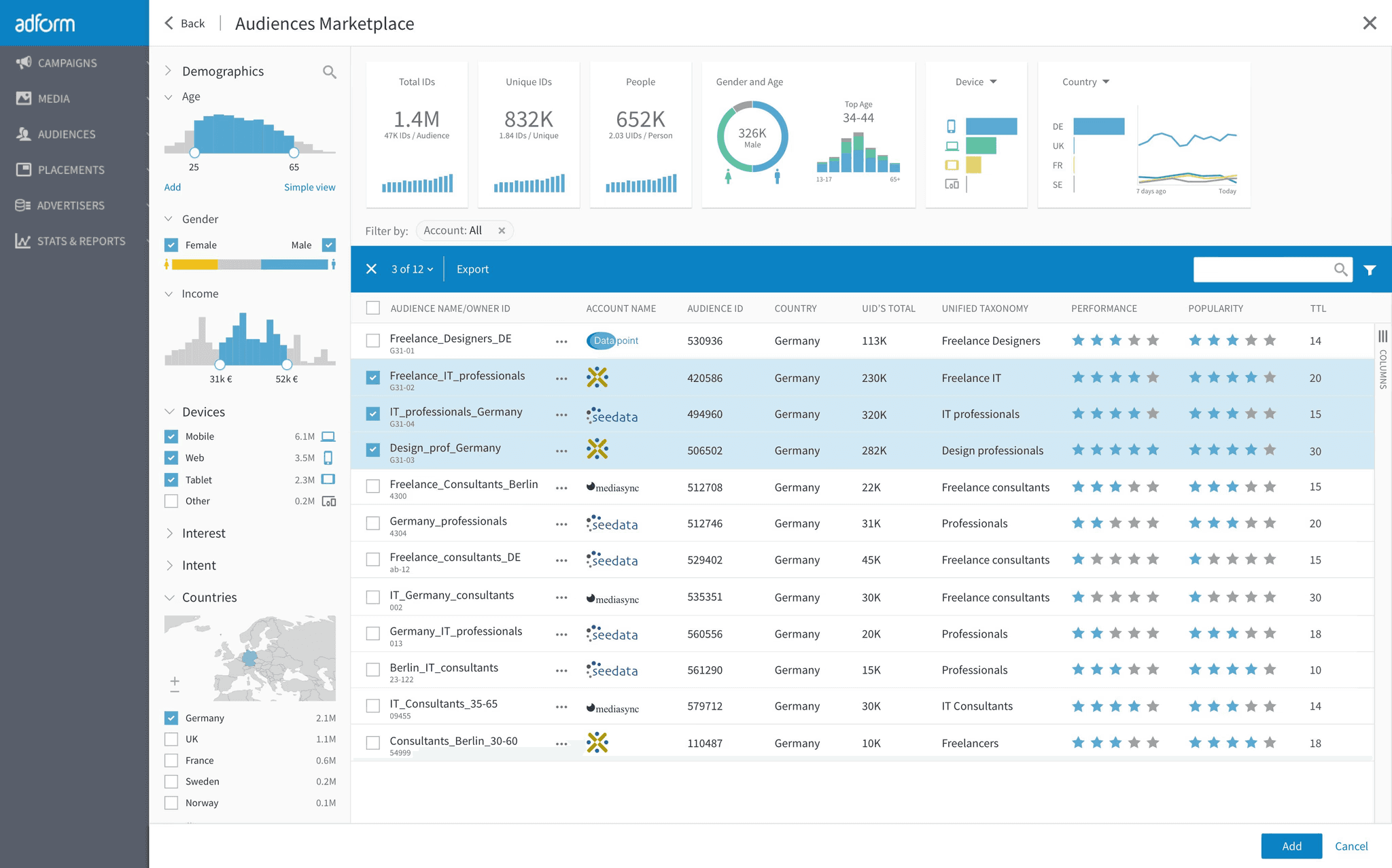
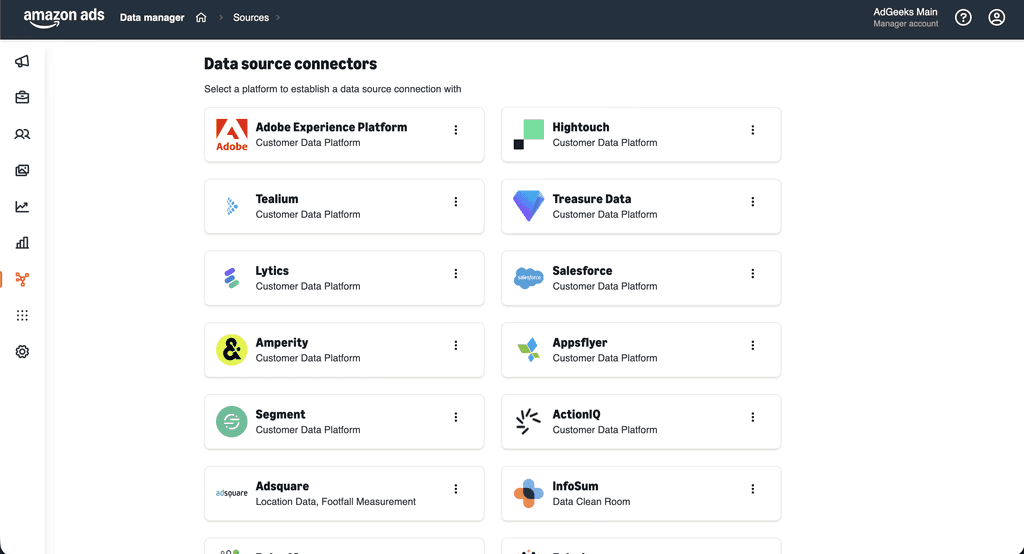
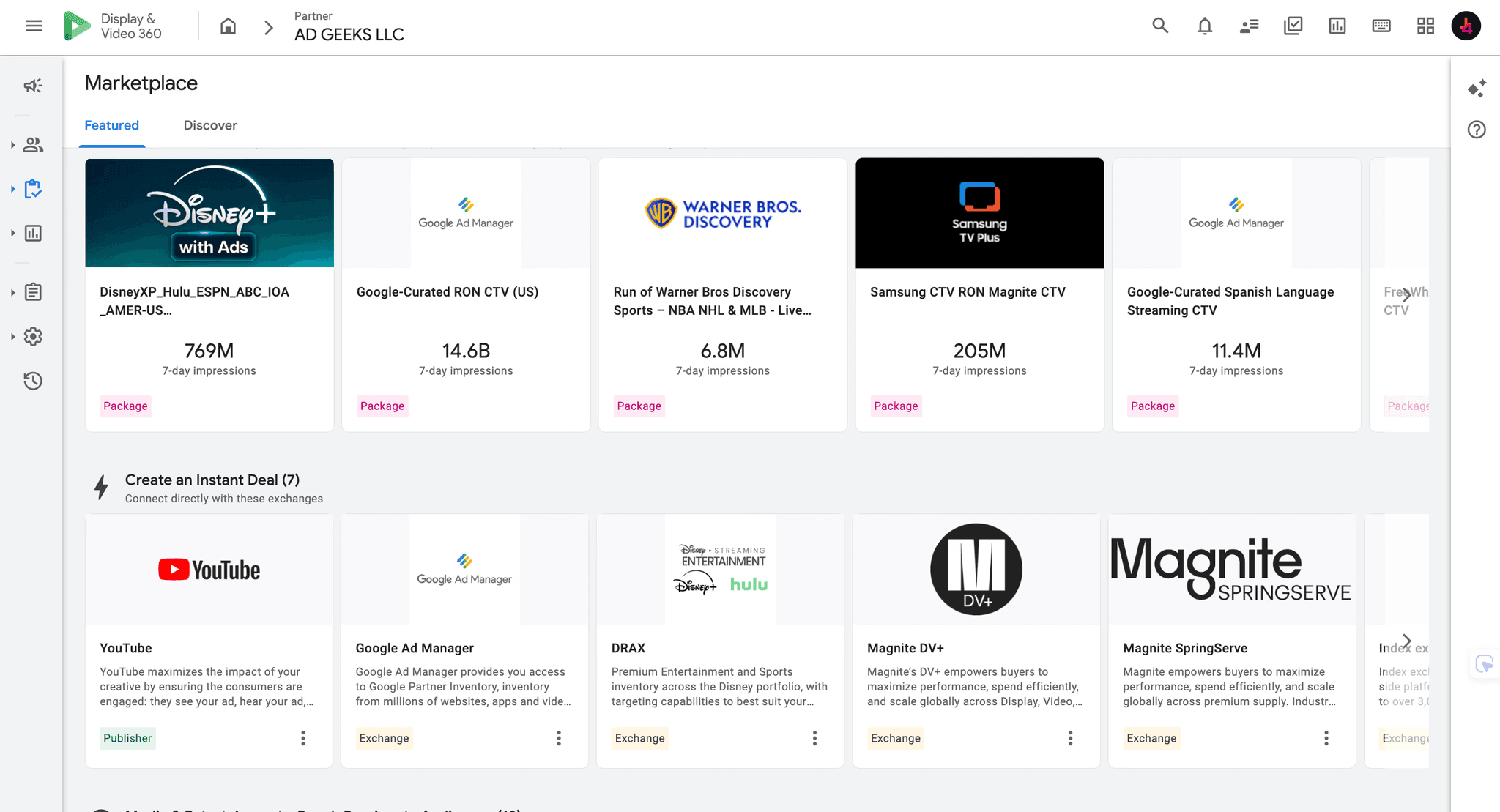
The buying happens through a Demand-Side Platform, the technology layer that connects an advertiser to global inventory from a single seat. The three platforms that matter most for international display are Display & Video 360, Google's enterprise DSP with unmatched global reach, Amazon DSP, which targets shoppers using real purchase behavior, and Adform, Europe's leading independent and cookieless-ready DSP. A global campaign rarely lives on one platform alone, which is why the choice of agency comes down partly to whether a partner can run all three through one relationship.
The Access Problem Global Brands Hit First
Each of these platforms sells access on enterprise terms. Google sets DV360 minimums and contract lengths that price out all but the largest spenders. Amazon DSP and Adform apply their own thresholds. A brand that wants to run a coordinated display campaign across several markets often discovers it would need separate enterprise agreements, each with its own onboarding clock running for months.
A managed-seat agency removes that barrier. By pooling access, the agency gives a brand the same inventory and the same controls without the contract commitment, and onboarding drops from months to days. Most brands wait a quarter or more to reach this point through traditional channels, and a launch tied to a product window or a seasonal moment cannot absorb that delay. Ad Geeks runs a fast-track setup specifically to close that gap, so campaign timing follows the brand's calendar rather than a procurement cycle.
What the Right Programmatic Display Agency Delivers
Platform access is the entry point, not the value. The work that decides whether a global display campaign succeeds happens in audience construction, inventory selection, brand safety enforcement, and full-funnel measurement. The capabilities below separate an agency that operates the platform from a reseller that simply unlocks it.
Audience building from first-party and behavioral data, so targeting reaches verified buyers rather than broad untracked segments.
Brand safety and viewability controls that keep impressions inside professional, brand-appropriate environments across every market.
Full-funnel tracking that connects each impression through to the action that matters, whether that is an install, a sale, or a qualified lead.
Creative management at the segment level, so each audience sees messaging built for its position in the funnel.
Cross-platform coordination across DV360, Amazon DSP, and Adform from a single managed relationship.
Management depth scales to the brand's own capacity. You can run campaigns on the seat yourself with expert support behind you, or hand execution to a team that lives in the platform daily. That flexibility matters for global brands whose internal media teams vary in size and sophistication from one region to the next.
Matching Display to the Wider Format Mix
Display rarely works alone for a global brand. The strongest campaigns sequence it with the formats that carry attention in each market, and a capable agency runs the full set from one seat. The table below maps how display connects to the surrounding formats Ad Geeks delivers.
Format | Role alongside display | Where it runs |
Builds awareness and carries retargeting at scale | Open web publishers | |
Opens the funnel through pre-roll, outstream, and CTV | YouTube, streaming, premium publishers | |
Earns attention where standard banners get ignored | Sites and apps across the open web | |
Reaches audiences without a screen | Spotify, podcasts, streaming radio | |
Delivers full-screen mobile impact | Mobile apps | |
Turns engagement into qualified leads | Interactive placements |
Connected TV deserves particular attention for global brands. Streaming inventory across Netflix, YouTube, and the broader Connected TV environment now pairs television-scale reach with the targeting precision that used to belong to display alone. A campaign that opens with CTV awareness and follows with display retargeting moves audiences through the funnel in a way neither format manages on its own.
Industry Expertise Across Markets
A global brand operating in a regulated sector cannot apply one playbook everywhere, because the rules change at every border. An agency structured around named verticals carries the compliance knowledge each sector demands. Ad Geeks organizes its work this way, which matters most where regulation is strictest.
Technology reaches developers, IT decision-makers, and procurement teams through high-authority publications and account-based targeting.
Finances reaches high-net-worth individuals and banking customers through brand-safe inventory at the regulator's standard.
Healthcare & Pharma operates within GDPR-Health and country-specific pharma codes across consumer and professional campaigns.
Gambling & iGaming runs in full compliance with each market's framework, including the UKGC and MGA.
Retail & eCommerce reaches shoppers at the point of intent across full-funnel inventory and programmatic out-of-home.
B2B targets buyers and procurement teams built for long sales cycles and multi-stakeholder decisions.
Consumer-facing brands gain from the same depth. Tourism & Travel campaigns sequence display for inspiration with video for storytelling and retargeting for conversion, while Hospitality work drives direct booking revenue rather than feeding the online travel agencies.
Three Campaigns, Three Markets
The clearest test of a programmatic display agency is what it has delivered across different geographies. Three documented campaigns show Ad Geeks running display-led programmatic in distinct market conditions.
A pan-European launch came first. Dell prepared to introduce a new business laptop across Europe and ran an Account-Based Marketing campaign on DV360, concentrating every impression on named corporate accounts. The campaign matched Dell's account list against programmatic inventory at a 95% match rate, reached 95% of target accounts, and produced a 75% engagement rate among IT decision-makers. The full breakdown sits in the Dell ABM case study.
A multi-market product launch came next. FootMender, a foot care brand, entered three new Amazon markets across the United Kingdom, France, and Germany with no existing brand presence. A full-funnel campaign on Amazon DSP opened with CTV awareness on Prime Video and Fire TV, then retargeted engaged viewers with display through a two-month flight. The campaign generated 3.37 million impressions and more than 520,000 new-to-brand shoppers, detailed in the FootMender market launch case study.
An emerging-market behavior shift rounded out the set. Gulf, a leading fuel brand in Georgia, ran a DV360 campaign to drive app installs and QR payment adoption inside a two-week window, splitting delivery across three custom audience segments with messaging built for each. Display across high-traffic Georgian properties and YouTube targeting produced more than 88,000 app page visits and over 12,000 installs, covered in the QR payment adoption case study.
Three markets, three objectives, one agency. The common thread is platform fluency. A 95% ABM match rate, half a million new-to-brand shoppers, and a two-week install surge each depend on a team that knows how to build audiences, sequence formats, and read the data the platform returns. More examples sit in the full case studies library.
Choosing Your Programmatic Display Partner
Four questions separate a genuine partner from a reseller. How fast can the brand start, and does that timeline survive contact with a real launch date? Who manages the campaign, and does that model flex to the brand's internal capacity? Can the partner run display across multiple DSPs through one relationship rather than forcing separate contracts? And does the partner carry the vertical compliance knowledge each of the brand's markets demands?
Ad Geeks answers all four through a single managed model: access in days, management scaled to the brand's needs, coordinated buying across DV360, Amazon DSP, and Adform, and vertical expertise built around the regulatory load of each sector and market. For a global brand, that combination turns a scattered set of regional buys into one coordinated display strategy.
To see what managed programmatic display looks like for your markets, request access, book a demo, or talk to the Ad Geeks team.