A B2B purchase rarely comes down to one person clicking an ad. It moves through a buying committee over months, touches procurement, finance, and technical evaluators, and ends in a decision that no single impression created. Programmatic advertising built for consumer conversion does not fit that shape, which is why B2B brands turn to a specialist partner rather than a generalist media buyer. This guide explains what a B2B programmatic advertising partner actually does, how account-based delivery works through enterprise platforms, and where Ad Geeks fits for companies selling into long, multi-stakeholder cycles.
What a B2B Programmatic Partner Does Differently
Programmatic advertising buys digital inventory automatically, with software bidding on individual impressions across websites, apps, and video in real time. A consumer campaign points that machinery at a wide audience and optimizes toward an immediate action. B2B inverts the logic. The audience is small and precise, the action sits months away, and the budget gets wasted the moment delivery drifts toward people outside the target accounts.
A B2B partner reorganizes the entire campaign around named accounts and the people inside them. Rather than chasing reach, the work concentrates every impression on verified decision-makers, then sequences messaging across the buying committee as the deal progresses. Ad Geeks structures its B2B practice exactly this way, around account-based targeting and premium business placements built for long sales cycles and multi-stakeholder committees.
The Three Problems a B2B Partner Solves
B2B advertising carries structural challenges that consumer campaigns never encounter. A capable partner is defined by how it handles each one.
The first is the long sales cycle. B2B decisions involve multiple stakeholders and unfold over months rather than days, which means a campaign has to stay present across the full evaluation window instead of pushing for a single conversion. The second is audience size. The target is a niche group, so broad campaigns burn budget reaching people who will never buy. The third is proving return. Linking ad exposure to pipeline influence and revenue is difficult without the right measurement setup, and a partner that cannot connect delivery to the CRM leaves the brand unable to justify spend.
Ad Geeks addresses all three through an account-based model that onboards the target list, layers it against premium publishers, runs sequenced creative across the committee, and attributes pipeline back to the brand's CRM. Every account, every persona, every stage of the cycle gets its own treatment.
How Account-Based Programmatic Works in Practice
Account-Based Marketing through a DSP follows a clear sequence, and understanding it shows what separates a real partner from a list reseller.
Account onboarding takes the brand's target list, which can range from a thousand accounts to a hundred thousand, and prepares it for programmatic matching.
Inventory layering maps that list against premium business publishers, so impressions appear in environments where decision-makers actually spend attention.
Buying-committee targeting applies persona overlays, reaching the procurement manager, the technical evaluator, and the economic buyer with messaging built for each.
Sequenced creative moves accounts from awareness into consideration as the cycle advances, rather than serving the same message throughout.
Pipeline attribution connects exposure back to the CRM, closing the loop between media and revenue.
Premium inventory is what makes this credible. Ad Geeks places B2B campaigns against business titles including the Financial Times, the Wall Street Journal, and Bloomberg, the environments where senior buyers form opinions. Reaching the right person in the wrong context wastes the match; reaching them inside a trusted business publication does not.
The Platforms Behind B2B Delivery
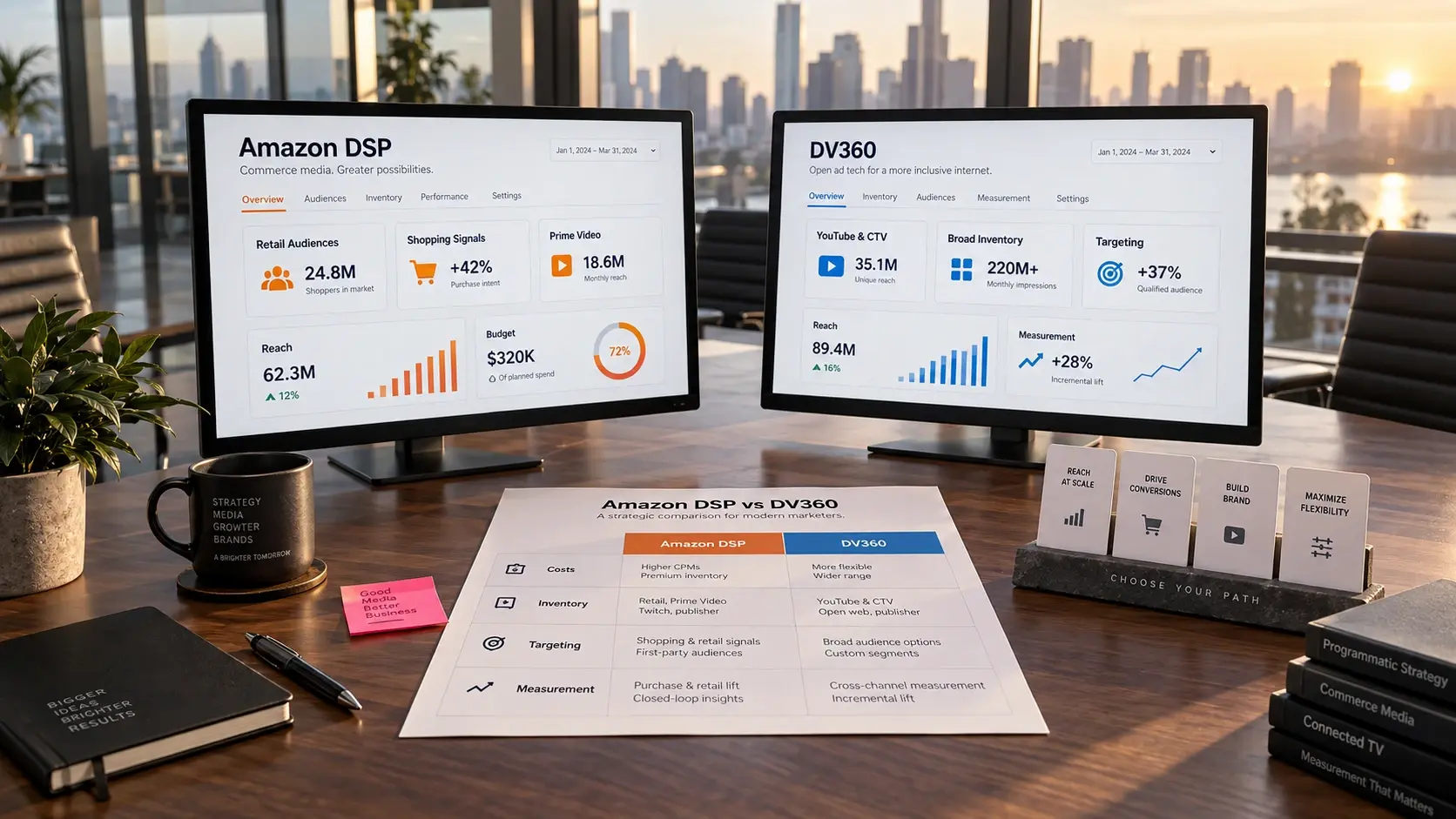
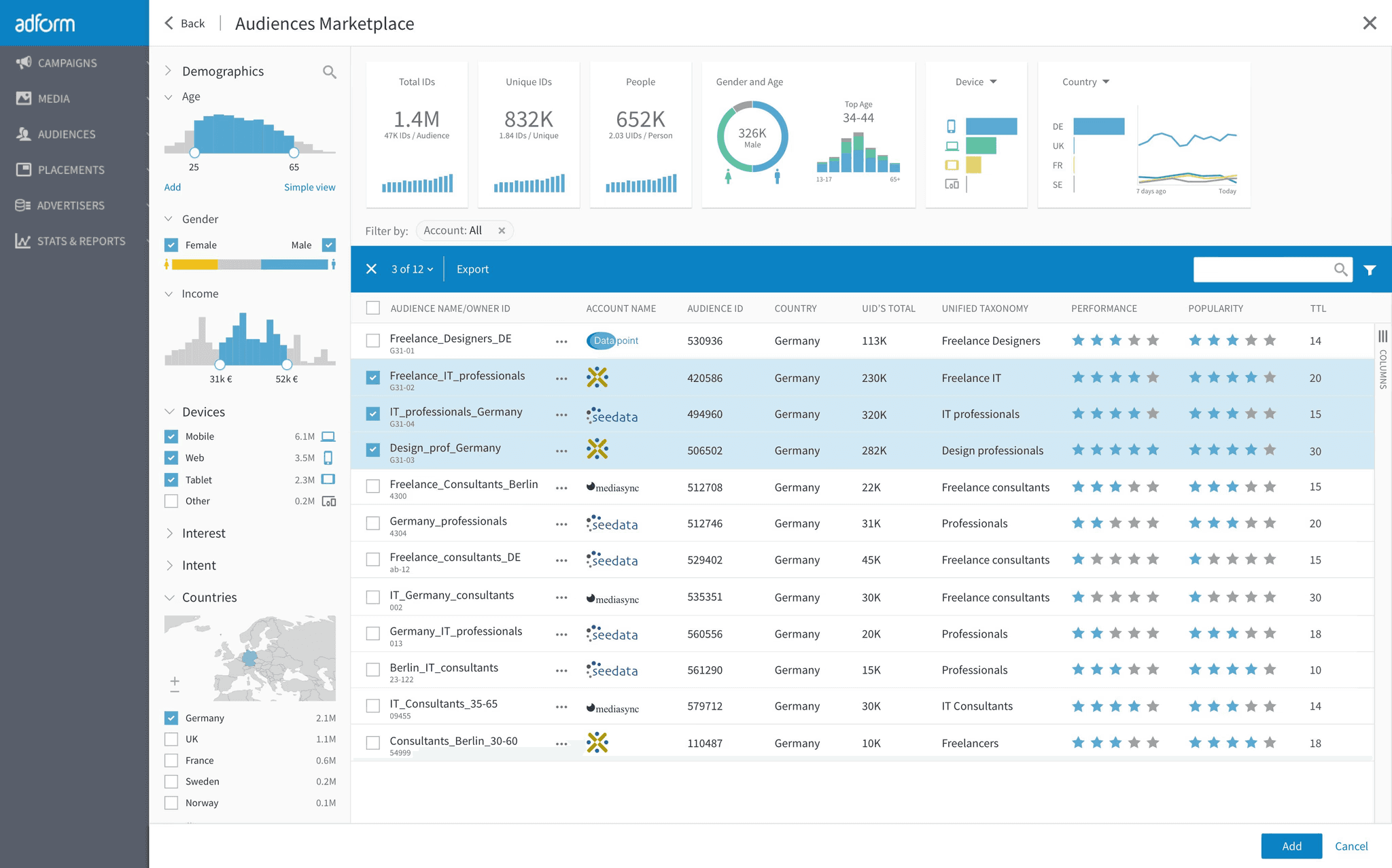
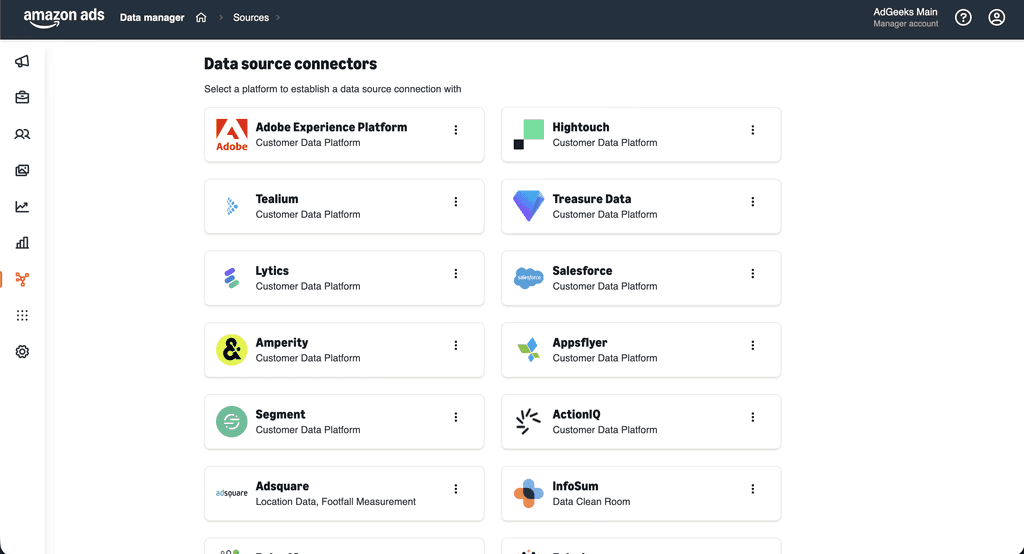
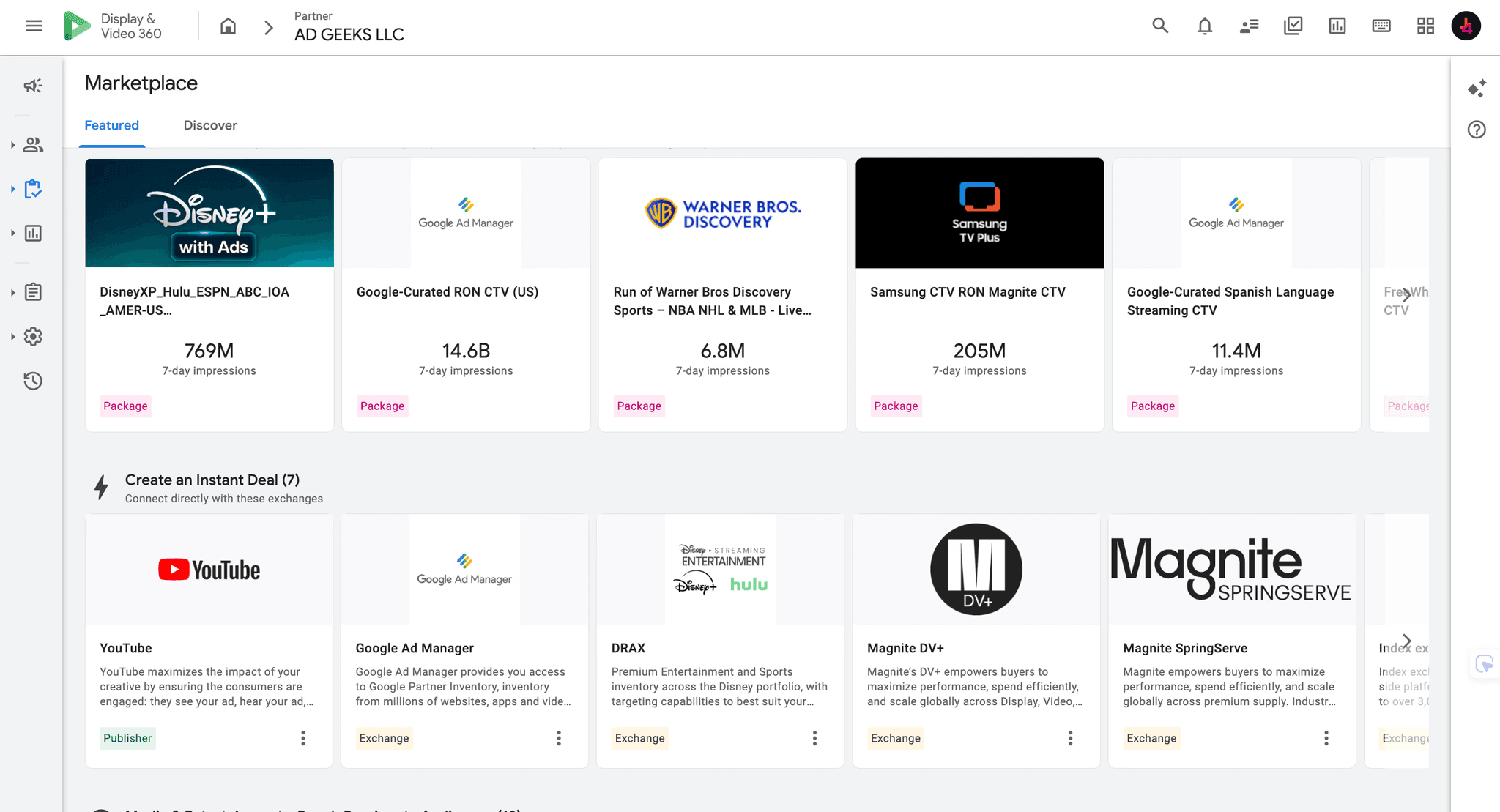
A B2B partner runs on enterprise DSPs, and the choice of platform shapes what targeting is possible. Display & Video 360 is Google's enterprise DSP, carrying the custom intent and account-matching capabilities that B2B campaigns depend on, alongside global reach. Amazon DSP adds purchase-behavior signals useful for B2B categories with a procurement-driven path, and Adform brings cookieless-ready, privacy-first delivery for markets where that matters most.
The barrier is access. These platforms sell on enterprise terms, with minimums and contract lengths that price out most B2B advertisers buying on their own. A managed-seat partner pools that access, so a brand reaches the same platform and the same controls without the enterprise commitment, and onboarding drops from months to days. For a B2B launch tied to a product release or a competitive window, that speed decides whether the campaign runs at all.
What B2B Results Look Like
The clearest measure of a B2B partner is documented performance against real accounts. Two campaigns show the model working.
Oracle ran a competitive-conquesting campaign on DV360 to reach engineers and IT architects actively working inside AWS and Azure consoles. The partner built custom intent audiences from high-intent signals such as cloud pricing and migration searches, then restricted delivery to a curated inclusion list of developer and enterprise IT publishers verified through DoubleVerify, with creative tailored to each competitor segment. The campaign served more than 28.4 million video impressions while shifting competitive perception toward Oracle as a credible alternative. The full account sits in the Oracle custom intent case study.
Dell took the account-based route directly. Preparing to launch a business laptop across Europe, the brand concentrated every impression on a curated list of corporate accounts through DV360. The campaign matched that list against programmatic inventory at a 95% match rate, reached 95% of target accounts, and produced a 75% engagement rate among IT decision-makers, with creative varied so a financial services procurement manager and a manufacturing IT director each saw relevant messaging. The breakdown is in the Dell ABM case study, alongside further B2B work in the case studies library.
Both outcomes depended on platform fluency. A 95% match rate and a precisely scoped competitive-conquesting campaign each require a team that knows how to build audiences, enforce brand-safe inventory, and read the signals the platform returns.
Where B2B Programmatic Reaches Beyond Tech
B2B is not a single industry, and a partner organized around verticals carries the targeting and compliance knowledge each one needs. Technology campaigns reach software developers, IT decision-makers, and enterprise procurement teams through high-authority tech publications and account-based targeting. Finances work reaches banking customers, insurance buyers, and investment professionals through brand-safe inventory at the regulator's standard. Healthcare & Pharma campaigns run within GDPR-Health and country-specific codes across both consumer and professional audiences.
Format range supports the same depth. Beyond core display, a B2B campaign draws on video for executive storytelling across YouTube and Connected TV, native placements that earn attention inside editorial environments, and conversational formats that turn engagement into qualified leads. The mix shifts by buying stage rather than staying fixed.
Choosing Your B2B Programmatic Partner
Four questions separate a genuine B2B partner from a media reseller. Can the partner onboard and match a real target account list, at the scale the brand actually works in? Does it place campaigns against premium business inventory where decision-makers form opinions, rather than cheap open-exchange impressions? Can it target the full buying committee with persona-level messaging rather than treating an account as one person? And does it attribute results back to the CRM so the brand can prove pipeline influence?
Ad Geeks answers all four through a single managed model: account lists from a thousand to a hundred thousand accounts, premium business placements, buying-committee targeting through persona overlays, and pipeline attribution into the CRM, all on enterprise DSPs accessible in days rather than months. For a B2B brand selling into long cycles, that combination turns programmatic from a reach exercise into a pipeline instrument.
To see what account-based programmatic looks like for your accounts, request access or talk to the Ad Geeks team.