Changing the agency that runs your programmatic media is a bigger decision than swapping a vendor. Your account holds audience data, historical performance, campaign structures, and creative assets that took months to build. A poorly planned move loses that value overnight. A well planned one carries it forward and often fixes the problems that pushed you to switch in the first place. This guide walks through the full transition, from spotting the warning signs to running your first campaign under new management on DV360, Amazon DSP, or Adform.
Signs it is time to switch
Most agency relationships end for reasons that build slowly rather than break suddenly. Reporting turns vague. Optimisation slows down. Questions about where budget goes get answered with jargon instead of numbers. Recognising the pattern early saves you a quarter of underperformance.
The following signals tend to appear together rather than alone:
Your reporting shows spend and impressions but never explains what changed or why performance moved.
You are locked out of the platform seat, so you cannot verify data or export your own audiences.
Minimum spend commitments force budget into channels that do not fit your goals.
The team cannot support the formats you need, whether that is Connected TV, audio, or native placements.
Compliance in regulated categories like finance, healthcare, or gambling feels like an afterthought rather than a standard.
What you actually own in your current account
Before you give notice, list what lives inside the account. Ownership is where most transitions go wrong, because agencies structure seats in ways that keep clients dependent. Clarify each item below in writing while the relationship is still active.
Audience data and segments
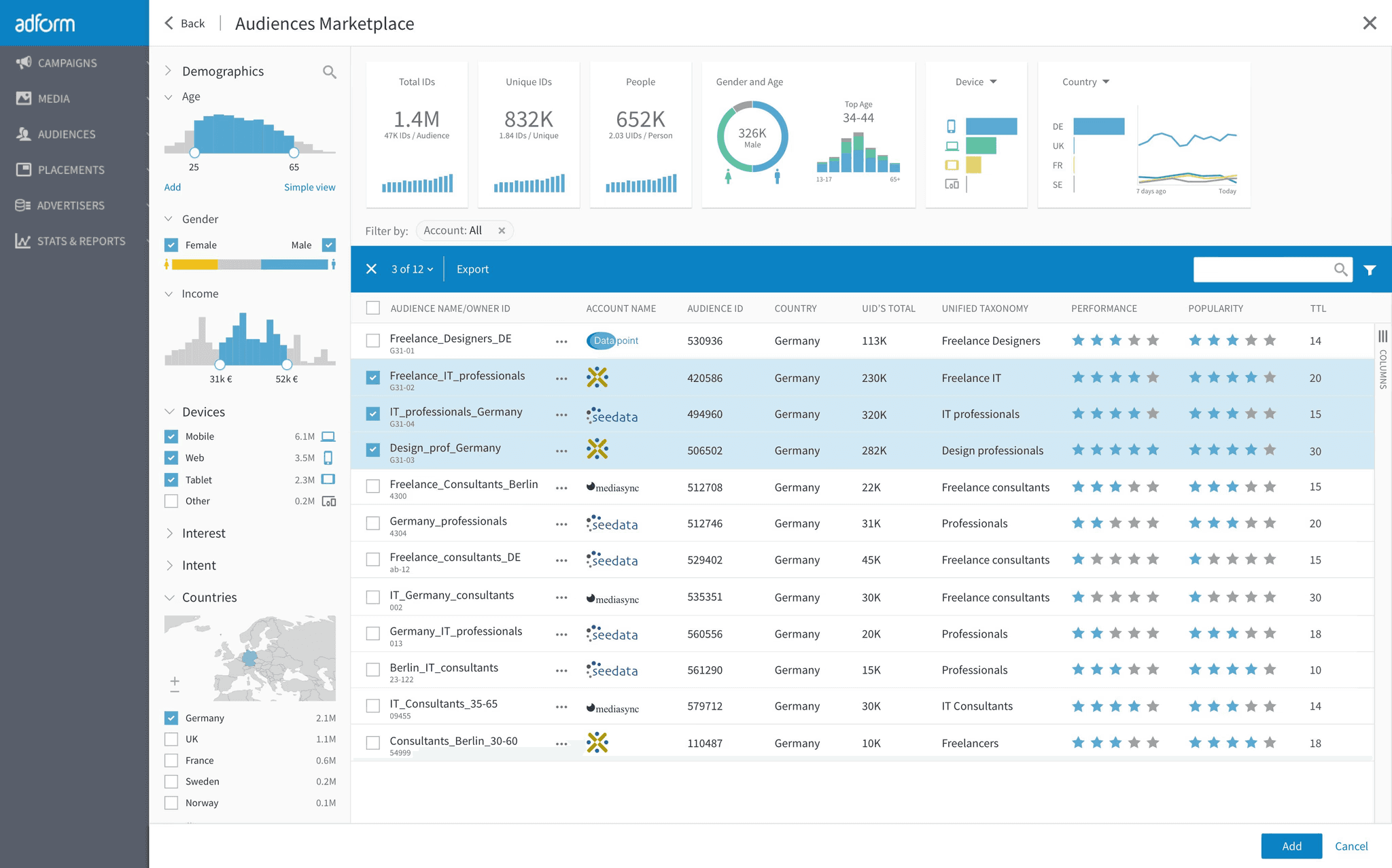
First-party lists, retargeting pools, and modelled audiences represent real money spent on data collection. Confirm you can export them. On DV360 and Amazon DSP, audience portability depends on how the seat was set up, so ask the question specifically.
Campaign history and benchmarks
Historical performance is your baseline for judging the next agency. Request exports of campaign structures, conversion data, and creative performance across every format you have run, from display and video to in-app inventory.
Creative assets and tags
Ad tags, tracking pixels, and creative files should transfer cleanly. Missing pixels break measurement continuity and force you to rebuild attribution from zero.
Choosing the right agency model
Not every agency works the same way, and the model matters more than the pitch deck. Two questions separate a good fit from a costly one: how you get access to the platform, and how transparent the reporting is once campaigns run.
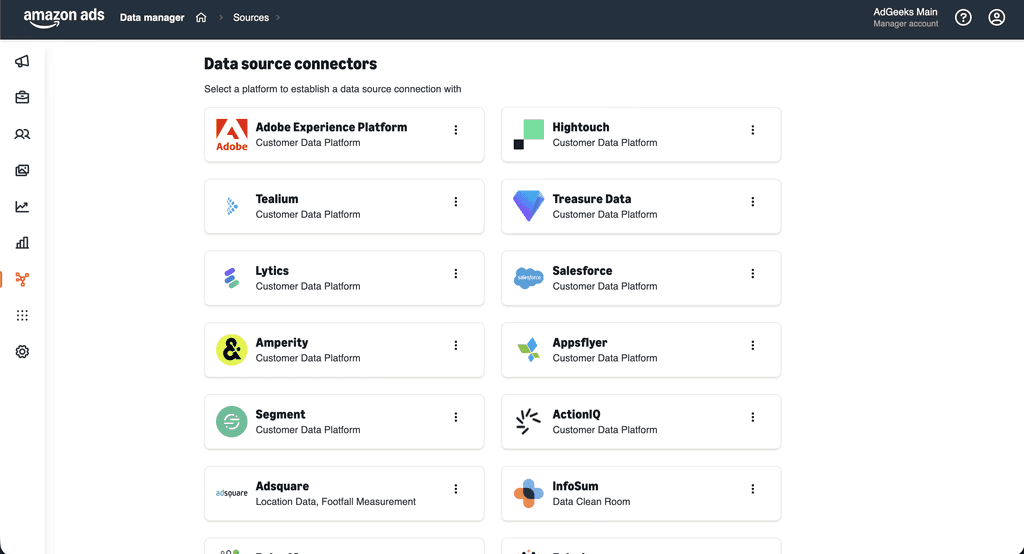
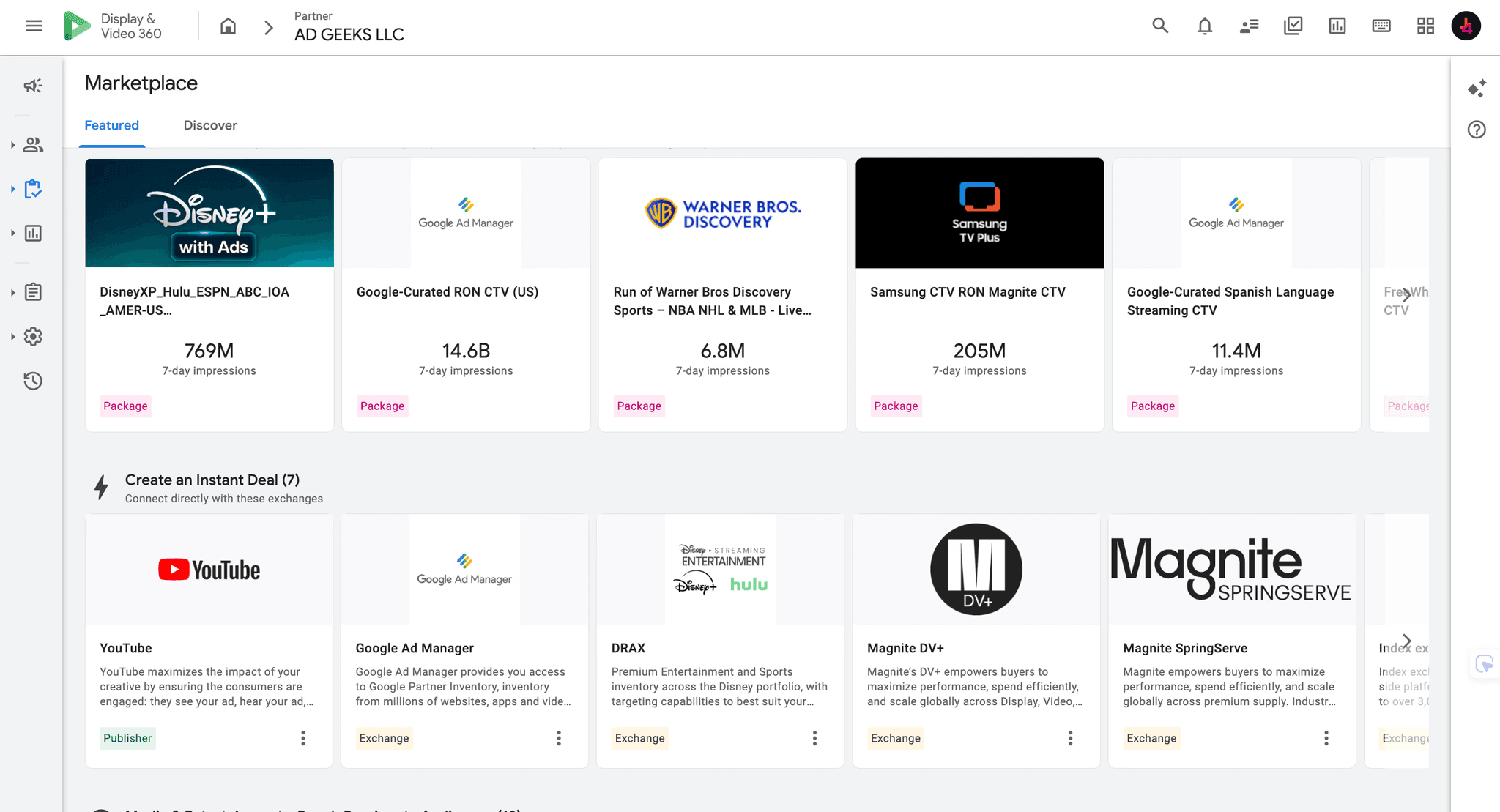
Traditional agencies often gatekeep the DSP seat, which means you never see the raw platform and cannot move quickly. A managed-access model gives you a real seat on DV360, Amazon DSP, and Adform without the enterprise minimums, paired with expert support when you want it. That structure removes the two problems that push most brands to switch in the first place.
Match the agency to your sector as well. Category depth in B2B, technology, retail and eCommerce, tourism and travel, or hospitality shortens the ramp because the team already knows your audience and your compliance rules.
A useful reference point is the enterprise programmatic agency shortlist, which sets out the criteria worth scoring candidates against before you sign anything.
The migration checklist
A clean handover follows a sequence. Rushing it risks a gap where no campaigns run and momentum drops. Work through these stages in order and keep both agencies informed until the switch completes.
Review your current contract for notice periods, data-return clauses, and any exit fees before you tell anyone.
Export everything you own, including audiences, tags, reporting, and creative files, and store copies outside both agency systems.
Brief the new agency on goals, past performance, and the platforms you want, whether that is YouTube, Netflix, Spotify, or out of home screens.
Rebuild tracking and confirm pixels fire correctly before any budget goes live.
Run a small overlap period where both setups are measurable, then shift budget once the new account proves stable.
Protecting performance during the transition
The riskiest window is the week around the switch. Audiences cool, learning phases reset, and any measurement gap makes it hard to tell whether a dip is real or an artifact of the move. Three habits keep results steady.
First, migrate high-value audiences before you pause anything, so retargeting pools stay warm. Second, keep creative consistent across the switch so you are comparing like for like. Third, agree on a single reporting standard with the new team up front, so week-one numbers are readable rather than a guess. Reviewing recent case studies from a prospective agency shows how they have handled comparable transitions and what recovery timelines looked like.
Making the switch with AdGeeks
AdGeeks was built for the exact situation this guide describes: agencies and brands that want enterprise programmatic access without the barriers that make switching painful. You get a real seat across DV360, Amazon DSP, and Adform, access measured in days rather than months, and support that scales up or down to match how hands-on you want to be. Explore the creative showroom and blogs and news to see the work, or read about the team behind it.
When you are ready to move, request access or talk to sales about a managed migration that keeps your data, your audiences, and your results intact.
Key takeaways
Switching agencies protects value only when you export and verify ownership of audiences, history, and tags before giving notice.
A managed-access model on DV360, Amazon DSP, and Adform removes the two failures that drive most switches: seat gatekeeping and unclear reporting.